TL;DR
A Bolde article describes how parents’ repeated refusal to acknowledge mistakes may lead children to doubt their own perceptions and apologize to restore closeness. The report links that learned self-blame with adult patterns such as over-apologizing and struggling to set boundaries, but it does not establish that these outcomes happen to every child or provide new research data.
Bolde has published a report arguing that when parents repeatedly refuse to admit mistakes, children may learn to doubt their own experiences and take responsibility for restoring strained relationships. The article connects that pattern with adult self-blame and difficulty setting boundaries, while offering a psychological interpretation rather than new research establishing that all children experience those effects.
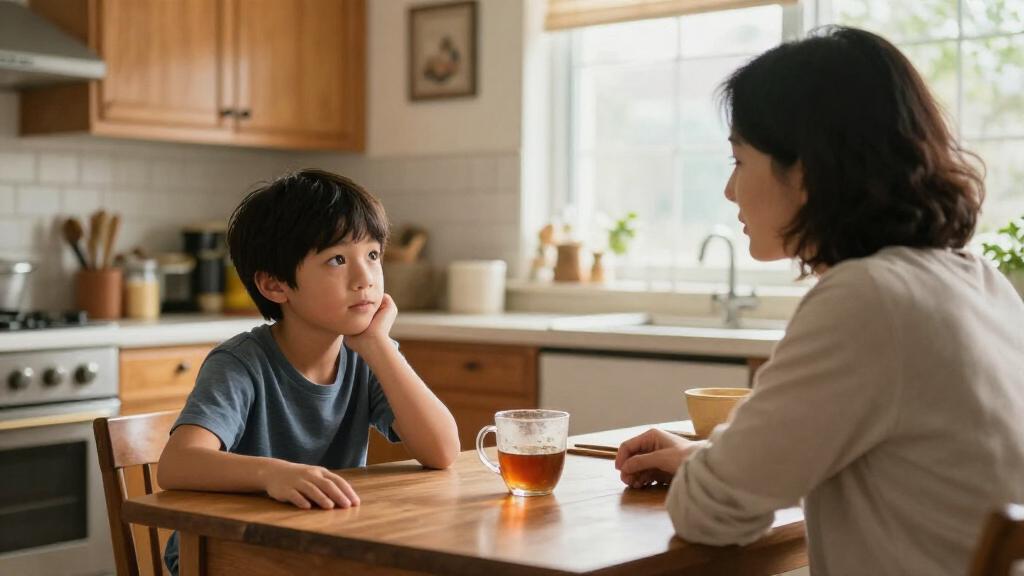
The report describes parental non-apology as a pattern that can range from obvious refusals to apologize after an outburst to less direct responses. A child who says a comment hurt, for example, may be told they are too sensitive; a disagreement may end only after the child says sorry. In these situations, Bolde says, the parent’s account of events is treated as authoritative while the child’s recollection or feelings are questioned.
Bolde cites adolescent psychologist Janet Sasson Edgette on why some parents resist apologizing: they may experience an apology as losing or surrendering. The report’s argument is that repeated avoidance can teach a child that the adult’s pride takes precedence over the child’s feelings. It says children may respond by second-guessing their memories and judgments, particularly when challenging a parent risks more conflict.
The article also cites psychotherapist Imi Lo on childhood self-blame. It describes a child learning that taking responsibility, apologizing or comforting a parent can bring back warmth and end tension. In adulthood, the report says, similar responses may appear as quickly assuming fault when a partner is disappointed, a friend withdraws or a parent objects to a boundary.
How Apologies Shape Self-Trust
The report’s central point is that repair after conflict matters because children learn not just from what adults say, but from how disagreements end. If a child repeatedly has to apologize to restore calm, they may come to associate taking blame with keeping a relationship secure. That association could make it harder to distinguish appropriate accountability from reflexive guilt.
For readers, the distinction is relevant to family relationships and adult boundaries. Feeling concern for another person does not by itself mean someone is responsible for that person’s distress. The report suggests that adults who habitually search for their own mistake in every conflict may be repeating a learned response. That is a possible way to understand the pattern, not a diagnosis or proof of what caused an individual’s behavior.
The practical implication in the article is not that parents must never make mistakes. Rather, acknowledging a mistake can model that disagreement does not require one person’s reality to be dismissed. The account presents apology as one way of recognizing a child’s experience and restoring trust after conflict.
Products Worth Considering

Intimacy-Kartenspiel von BestSelf – 150 fesselnde Gesprächsstarter für Paare zur Stärkung ihrer Beziehung, Romantik, Vertrauen, Offenheit und Schwachstellen bestes Kartenspiel Romantisches Geschenk
Perfekte Ergänzung zur Verabredung am Abend: Das Intimacy-Kartenspiel wird Ihnen helfen, beziehungsaufbauende Gespräche mit brillanten, lustigen und ansprechenden…

WHAT DO YOU MEME?, Let's get deep US, Exciting question Game for Couples, 3 Intimacy Levels, Ideal for Date Nights, for 2 Players Aged 17 and Over
💌 LET'S GET DEEP US: This exciting ADULT GAME takes your relationship to a new level with exciting…

We're Not Really Strangers Kartenspiel We're Not Really Strangers Ausgabe für Paare, um ihre Beziehung zu stärken, 150 Fragen und Joker für einen … mit deinem Partner (in englischer Sprache)
Für Paare, die ihre bestehende Verbindung vertiefen und Seiten enthüllen, von denen sie nie wussten, dass sie existieren
As an affiliate, we earn on qualifying purchases.
The Pattern Described by Bolde
Bolde frames the issue around repeated behavior, not a single argument or one imperfect response. Its examples include a parent overreacting and moving on without acknowledgment, disputing a child’s memory, or treating the child as ungrateful for raising a forgotten promise. In the article’s account, the common feature is that the child’s perspective becomes negotiable while the parent’s remains protected.
The report describes a possible sequence: the child questions their interpretation to avoid continued friction; apologizing then helps restore normal interaction; over time, guilt becomes linked with closeness. The article says the pattern may later surface in friendships or romantic relationships, including difficulty trusting one’s own discomfort or maintaining a boundary when someone else objects.
These are the report’s explanations and examples. The source material does not identify a particular study, survey, sample size or clinical findings that measure how often this pattern occurs or establish a direct causal relationship between parental apologies and adult behavior.
“Some parents experience saying sorry as losing rather than giving; the apology can feel like surrender.”
— Janet Sasson Edgette, adolescent psychologist, as cited by Bolde
What the Report Does Not Establish
The source does not present new empirical data or specify which research supports the article’s broad claims. It also does not quantify how common repeated parental non-apology is, how strongly it predicts particular adult behaviors, or what other family, social and individual factors may shape those outcomes.
The described effects are not inevitable. The report does not establish that every parent who struggles to apologize raises a child who distrusts themselves, or that every adult who over-apologizes grew up in this kind of household. Its examples outline a possible pattern; they cannot identify the cause of any one person’s relationship difficulties.
Bolde’s source text does not give a publication date, name a specific study or provide further reporting that would clarify the evidence behind the claims. Those details remain unavailable from the material provided.
Questions for Further Evidence
The report names no planned follow-up, new study or response from the cited professionals, so there is no specific next development to report. A fuller evidence-based assessment would need to identify the research behind the claims and explain how it distinguishes repeated family patterns from ordinary parental mistakes and other influences on adult relationships.
For now, readers should treat the article as a psychological account of a possible pattern, not a clinical test or a universal rule. The question it leaves open is how often repeated failures to repair conflict contribute to later self-doubt, and under what circumstances those effects are most likely.
Key Questions
What is the main claim in the Bolde report?
The report argues that children whose parents repeatedly refuse to acknowledge mistakes may learn to doubt their own perceptions and use self-blame to restore closeness. It presents this as a possible pattern, not an outcome for every child.
Does the article cite a study proving this link?
The source material does not identify a particular study, dataset or sample. It cites comments attributed to psychologist Janet Sasson Edgette and psychotherapist Imi Lo, but does not provide enough information to assess a specific body of evidence.
What does the report mean by confusing guilt with love?
It describes a child learning that apologizing or taking blame helps end tension and brings back a parent’s warmth. Later, the person may mistake taking responsibility for another person’s feelings as a necessary way to show care.
Does one parental mistake mean a child will develop these habits?
No such conclusion is established by the report. Its account focuses on a repeated pattern and does not show that a single failure to apologize causes lasting effects.
Source: bolde.com