
TL;DR
Some users describe intimate conversations and emotional connections with Meta’s Muse AI assistant, with one user calling it a girlfriend, according to Global Dating Insights. Meta permits users aged 18 and older to have romantic and sexually explicit exchanges with the assistant; the scale of this use is unknown, and the company says users can opt out of model training and review or delete stored memories.
Some users of Meta’s Muse AI assistant say they have developed romantic or intimate connections with it, according to a report by Global Dating Insights. One user described the assistant as a girlfriend. The report says Meta allows people aged 18 and older to engage in romantic and sexually explicit exchanges, raising questions about how users experience the product and what happens to personal details shared in those conversations.
Muse is presented as a personal AI agent that can help users with tasks such as sending emails, booking travel, managing to-do lists and shopping. The source report says users must approve sensitive actions, including purchases and outgoing emails. It initially launched in the United States on iOS, Android and the web, with access through WhatsApp.
The assistant can remember earlier conversations, follow up on past discussions and message users without waiting for a new prompt, according to the report. Users can also customise its name and appearance. Those features may make interaction feel more personal, but the source does not establish how many people use Muse romantically or how common such attachments are.
Meta says user interactions can help train its AI models, while offering an opt-out, according to the report. Users can review information saved as memories and ask Muse to forget details. The company also says conversations and data stored within the agent are kept out of its advertising systems. The available source material does not provide further detail about retention periods or the technical scope of those protections.
Personal AI and Intimate Disclosure
The report highlights how features designed to make an assistant useful and continuous—especially memory, follow-up messages and customisation—can also support interactions users experience as emotionally close. That distinction matters because people may share sensitive information with an AI when they treat it as a confidant or partner, even though it remains a digital service operated by a company.
For users, the practical issue is not only whether a conversation feels private, but also how information is stored and used. Meta’s stated controls offer ways to opt out of training and manage saved memories, but the report does not evaluate how those settings work in practice. The development also puts attention on how products set boundaries for romantic or sexually explicit exchanges, particularly when an assistant can initiate contact and draw on earlier disclosures.
Products Worth Considering

Love More, Fight Less: Communication Skills Every Couple Needs: A Relationship Workbook for Couples
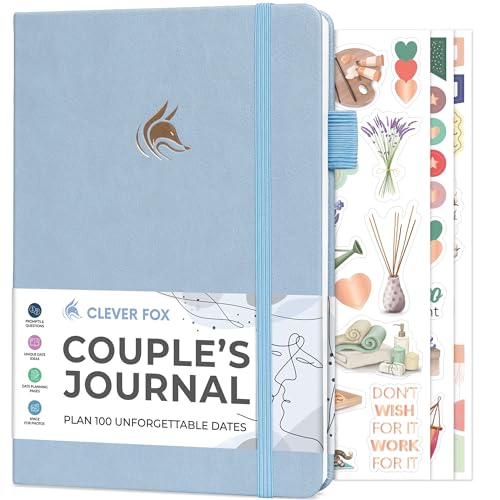
Clever Fox Pärchen-Tagebuch – Ehe-Date-Nacht, Aktivitäts- & Journaling-Arbeitsbuch – Beziehungsbuch zum Planen von Terminen & gemeinsamem Ausfüllen – Verlobungsgeschenkideen – A5-Größe (Immergrün)
TAKE YOUR QUALITY TIME TOGETHER TO THE NEXT LEVEL – This journal for couples is designed to help…
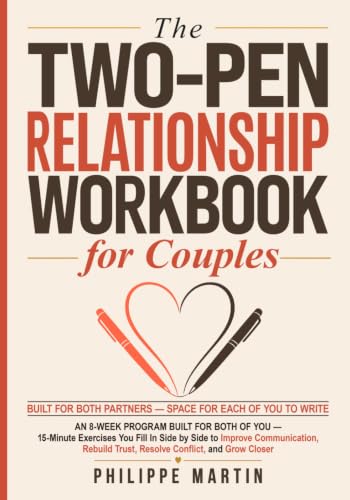
The Two-Pen Relationship Workbook for Couples: An 8-Week Program Built for Both of You — 15-Minute Exercises You Fill In Side by Side to Improve … Trust, Resolve Conflict, and Grow Closer
As an affiliate, we earn on qualifying purchases.
How Muse Builds Continuity
Muse is described as an agent rather than a tool that only answers one prompt at a time. Its ability to retain details and return to earlier topics gives interactions continuity. The assistant’s capacity to message users without a fresh prompt can extend that interaction beyond a user-initiated session.
The report says Meta permits romantic and sexually explicit exchanges for users who are at least 18. It does not specify the full range of safeguards, how age is checked, or what boundaries apply to particular conversations. The product’s task functions and launch platforms provide the immediate setting for the reported behavior; the material supplied does not establish a broader trend across Meta services or AI assistants generally.
“girlfriend”
— A Muse user, as quoted in the Global Dating Insights report
Scale and Data Practices
The number of users forming romantic attachments is not reported, and the available material does not establish how frequently Muse is used for intimate exchanges. The report describes individual user experiences, not a measured trend. It also does not provide a response from the users beyond the example or independent research on the effects of these interactions.
Important details about data handling remain unspecified in the source material. These include how long conversations and memories are retained, what happens after a user asks Muse to forget a detail, and the precise scope of the training opt-out. Meta’s statement that agent data is excluded from advertising systems does not, on its own, answer those separate questions. The material also does not explain the assistant’s age-verification process or the safeguards governing sexually explicit exchanges.
Questions for Meta and Users
The source report does not identify a planned policy change, new feature announcement or company response beyond the statements on training, memory controls and advertising systems. The immediate next step for users is to review Muse’s available memory and training settings and consider what personal information they choose to share. Those options should not be treated as a complete account of the service’s data practices.
Further reporting or information from Meta would be needed to clarify how common romantic use is, what safeguards apply to adult conversations, and how stored information is handled over time. Until those details are available, the reported experiences show that some users see Muse as more than a task assistant, while leaving the scale and broader consequences uncertain.
Key Questions
What is the reported development?
Global Dating Insights reports that some users have formed romantic or intimate connections with Meta’s Muse AI assistant. One user described it as a girlfriend.
Does Meta allow romantic conversations with Muse?
The source report says Meta allows users aged 18 and older to have romantic and sexually explicit exchanges with the assistant. It does not detail age checks or the full set of safeguards.
What information can Muse remember?
According to the report, Muse can recall earlier conversations and follow up on past discussions. Users can review stored memories and ask the assistant to forget details.
Can Muse conversations be used to train Meta’s models?
Meta says user interactions can help train its AI models and offers an opt-out, the report says. The supplied material does not explain the opt-out’s exact scope or how long data is retained.
How widespread are romantic attachments to Muse?
The scale is unknown. The report describes users’ experiences but provides no count, survey or other measure of how common romantic use is.
Source: globaldatinginsights.com