
Conflict style mapping helps you understand how both you and your partner communicate and react emotionally during disagreements. By observing patterns in talking, listening, and emotional triggers, you can identify whether your styles are aggressive, passive, or assertive. Recognizing these behaviors makes resolving conflicts easier and promotes healthier habits. As you explore your unique communication dynamics, you’ll discover how to turn conflicts into opportunities for growth and connection—there’s more to uncover behind these patterns.
Key Takeaways
- Conflict style mapping helps couples identify their communication patterns and emotional triggers for better understanding.
- Recognizing whether partners tend to be aggressive, passive, or assertive guides tailored compromise strategies.
- Understanding emotional responses enables couples to manage reactions and foster healthier, more constructive dialogues.
- Mapping mutual patterns allows couples to develop empathy, patience, and effective techniques for resolving disagreements.
- This process creates a safe space for honest communication, turning conflicts into opportunities for connection and growth.
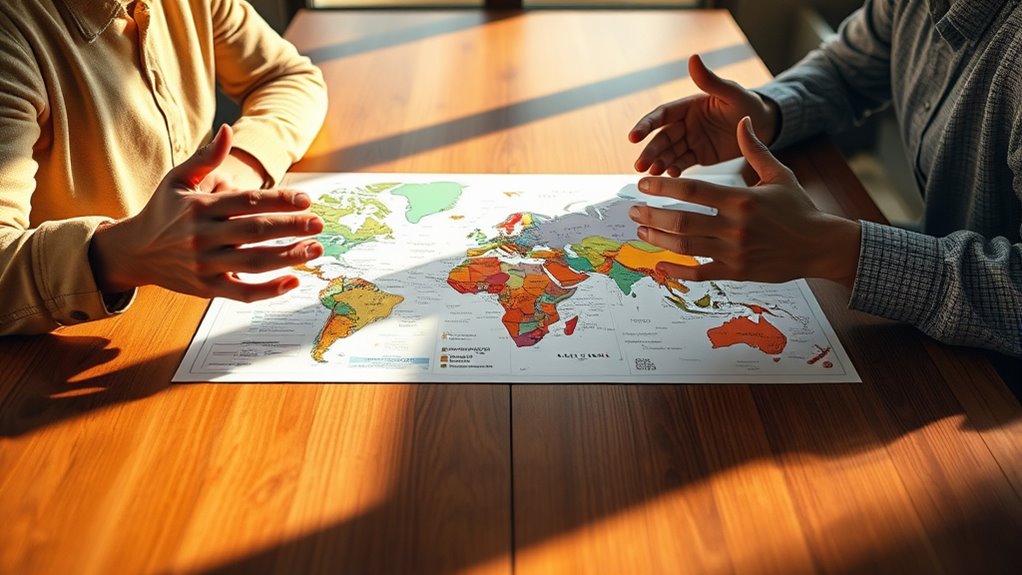
Have you ever wondered why some conflicts escalate while others resolve quickly? It often comes down to your communication patterns and emotional responses. When disagreements arise, how you talk, listen, and react can determine whether the conflict spirals or finds a peaceful resolution. Recognizing these behaviors is the first step toward conflict style mapping, a method that helps couples understand their unique ways of handling disagreements. By identifying your pattern, you gain insight into why certain issues trigger intense reactions while others are easily let go. Your communication style—whether aggressive, passive, or assertive—shapes how you express your needs and interpret your partner’s words. For example, if you tend to be confrontational, you might escalate disagreements unintentionally, fueling emotional responses like frustration or anger. Conversely, if you’re passive, you might suppress your feelings, which can lead to misunderstandings and resentment over time. Mapping your conflict style involves observing these patterns in real situations, paying close attention to how you communicate and react emotionally. It’s not about blaming yourself or your partner but understanding the dynamics at play. When you recognize your emotional responses—whether they’re fear, hurt, or defensiveness—you can start to manage them better. This awareness allows you to avoid knee-jerk reactions that often escalate conflicts, like shouting or withdrawing. Instead, you can choose to pause, breathe, and respond more thoughtfully. As you map your conflict style, you’ll notice that certain triggers consistently provoke specific reactions. Maybe you get defensive when feeling criticized, or you shut down when overwhelmed. Understanding these triggers helps you develop healthier ways to handle disagreements, promoting more constructive conversations. Additionally, understanding conflict resolution techniques can further support your efforts in creating harmonious interactions. Recognizing these mutual patterns enables both of you to adapt and find more effective ways of resolving conflicts. Conflict style mapping is a practical tool that fosters empathy and self-awareness. It highlights how emotional responses and communication habits contribute to the overall conflict dynamic. Knowing your style and that of your partner allows you to develop a tailored approach to conflict resolution—one that emphasizes understanding, patience, and compromise. Ultimately, it’s about transforming conflict from a destructive force into an opportunity for growth and connection. By becoming aware of your communication patterns and emotional responses, you can create a safer space for honest dialogue and mutual understanding, making disagreements less intimidating and more manageable.
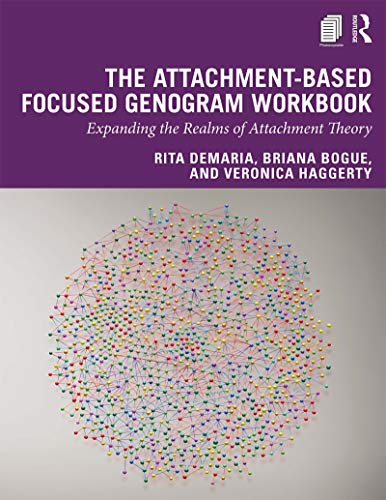
The Attachment-Based Focused Genogram Workbook: Expanding the Realms of Attachment Theory (English Edition)
As an affiliate, we earn on qualifying purchases.
As an affiliate, we earn on qualifying purchases.
Frequently Asked Questions
Wie Beeinflusst Konfliktstil-Mapping Langfristige Partnerschaften?
Your konfliktstil-mapping influences your long-term partnership by shaping your Kommunikationsmuster and enhancing emotional intelligence. When you understand your own and your partner’s conflict styles, you can communicate more effectively, reducing misunderstandings. This awareness helps you navigate disputes with empathy and patience, strengthening your bond over time. As a result, you build a healthier relationship where both of you feel heard, respected, and connected, fostering lasting harmony.
Kann Konfliktstil-Mapping Konflikte Vollständig Lösen?
You wonder if konfliktstil-mapping can fully resolve conflicts. While it helps you understand your Kommunikationsbarrieren and Emotional Blockaden, it doesn’t eliminate all issues. It encourages open dialogue, fosters empathy, and builds awareness. However, conflicts often stem from deeper differences or unresolved emotions. So, konfliktstil-mapping is a powerful tool, but it works best alongside ongoing communication, patience, and a willingness to grow together.
Welche Fehler Treten Bei Der Anwendung Von Konfliktstil-Mapping Auf?
When you apply conflict style mapping, you might make mistakes like misinterpreting your partner’s responses, which can lead to Missverständnisse vermeiden and Kommunikationsbarrieren abbauen. Sometimes, you may focus too much on labeling behaviors instead of understanding underlying emotions, causing misunderstandings. Additionally, rushing through the process without active listening can hinder effective communication. To succeed, stay patient, clarify intentions, and remain open to your partner’s perspective.
Wie Oft Sollte Man Den Eigenen Konfliktstil Neu Bewerten?
Think of your conflict style as a garden that needs regular tending. You should reassess it every few months, as Selbstreflexion Fortschritt and Kommunikationsentwicklung in your partnership evolve over time. This way, you stay aware of how you handle disagreements and can adjust for better harmony. Regularly updating your understanding keeps your relationship resilient, helping you navigate conflicts with greater ease and understanding.
Ist Konfliktstil-Mapping Auch in Anderen Beziehungsformen Wirksam?
You might wonder if Konfliktstil-Mapping works in other relationships. It definitely can, as it helps clarify Kommunikationswege and improves Konfliktprävention. By understanding your own and your partner’s or friend’s Konfliktstil, you can navigate disagreements more effectively. This approach fosters better communication, reduces misunderstandings, and creates a healthier dynamic. Whether in friendships, family, or professional relationships, Konfliktstil-Mapping offers valuable insights to resolve conflicts constructively.

The Couples Communication Handbook: Your Roadmap to Stronger, Healthier Communication and Deeper Connection
As an affiliate, we earn on qualifying purchases.
As an affiliate, we earn on qualifying purchases.
Conclusion
Now that you’ve uncovered your conflict style map, imagine how this newfound insight could transform your relationship. Will you choose to navigate disagreements with understanding or assertiveness? The key lies in your hands—your ability to adapt and communicate. As you step forward, the true challenge is just ahead: how will you decode your partner’s style and find that elusive compromise? The next chapter in your relationship story is waiting to be written.
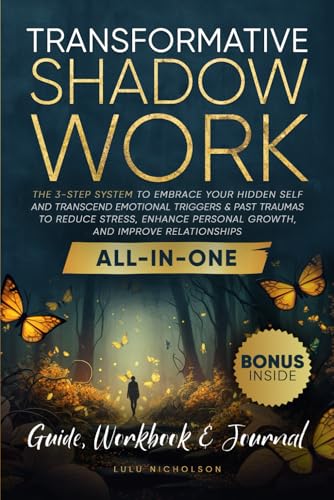
Transformative Shadow Work: Guide, Workbook & Journal—The 3-Step System to Embrace Your Hidden Self and Transcend Emotional Triggers & Past Traumas to Enhance Personal Growth & Improve Relationships
As an affiliate, we earn on qualifying purchases.
As an affiliate, we earn on qualifying purchases.
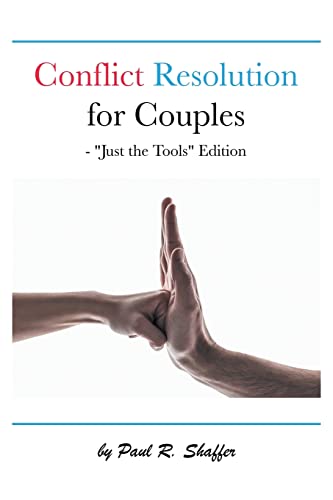
Conflict Resolution for Couples: "Just the Tools" Edition
As an affiliate, we earn on qualifying purchases.
As an affiliate, we earn on qualifying purchases.