
The 4 Horsemen of the Apocalypse, according to Gottman, are critical behaviors that signal your relationship is in trouble. These include criticism, contempt, defensiveness, and stonewalling. Recognizing these early warning signs allows you to address issues before they cause lasting damage. By understanding how these behaviors erode trust and emotional connection, you can take steps to improve communication and stay connected. Keep exploring to learn how to effectively counteract these destructive patterns.
Key Takeaways
- The 4 Horsemen—criticism, contempt, defensiveness, stonewalling—are destructive behaviors signaling relationship decline.
- Recognizing these early warning signs helps partners intervene before damage becomes irreparable.
- Addressing criticism with “I” statements fosters understanding and reduces defensiveness.
- Counteracting contempt involves practicing appreciation and showing genuine respect through small acts.
- Maintaining open communication and avoiding withdrawal are essential to prevent emotional distancing.

In his research on relationships, psychologist John Gottman identified four destructive behaviors that can predict the end of a marriage if left unchecked. These behaviors, known as the “Four Horsemen,” serve as an early warning system for relationship deterioration. Recognizing them early can save your relationship before irreparable damage occurs. The first of these is criticism, which often leads to communication breakdowns. When you attack your partner’s character instead of addressing specific issues, it creates defensiveness. Over time, this erodes trust and openness, making honest conversation nearly impossible. Instead of pointing fingers, focus on expressing your feelings using “I” statements. This approach fosters understanding rather than defensiveness, helping to prevent communication breakdowns.
Criticism erodes trust and hampers honest communication in relationships. Focus on expressing feelings with “I” statements to foster understanding.
The second behavior is contempt, which is even more damaging. Contempt involves mocking, sarcasm, or outright disrespect, and it signals deep emotional distancing. When you dismiss your partner’s feelings or look down on them, you create a barrier that’s hard to cross. As emotional distancing widens, it becomes harder to reconnect. Your partner begins to feel unappreciated and unloved, which only fuels further withdrawal. To counteract this, practice appreciation and show genuine respect. Small acts of kindness and recognizing your partner’s positive qualities can rebuild emotional bonds and reduce the tendency toward emotional distancing.
Defensiveness acts as the third horseman. When either of you perceives criticism or contempt, it’s natural to defend yourself. However, defensiveness escalates conflicts and prevents resolution. Instead of listening to your partner’s concerns, you become focused on defending your position. This dynamic further widens the emotional gap and hampers effective communication. To break this cycle, try to listen without interrupting and validate your partner’s feelings, even if you disagree. This openness can soften defensiveness and promote healthier dialogue.
The last of the four is stonewalling, which happens when you withdraw completely from the conversation. You might shut down emotionally or physically, avoiding engagement altogether. This behavior signals emotional distancing and often leaves your partner feeling abandoned and confused. Instead of retreating, take a break if needed, but commit to returning to the conversation. Maintaining open lines of communication, even during difficult moments, is vital to preventing emotional distancing from becoming permanent. Being aware of relationship dynamics and understanding how to address them can significantly improve long-term connection.

WHEN LOVE GETS HARD: TALKING WITHOUT HURTING Communication Skills for Difficult Conversations A Couple’s Guide to Conflict, Communication, Repair, … (Relationship conflict resolution books)
As an affiliate, we earn on qualifying purchases.
As an affiliate, we earn on qualifying purchases.
Frequently Asked Questions
How Can I Recognize the Early Signs of the Four Horsemen?
To recognize the early signs of the four horsemen, you need to develop emotional awareness and notice conflict triggers early on. Pay attention to patterns like criticism, defensiveness, contempt, or stonewalling. When you start feeling overwhelmed or notice these behaviors emerging, it’s a sign to pause. Address issues calmly before they escalate, and be mindful of your reactions to prevent these destructive patterns from taking hold.
Are There Effective Ways to Prevent These Behaviors?
If you think prevention is impossible, think again—small changes can stop conflicts before they explode! You can avoid the destructive power of the four horsemen by practicing emotional awareness daily and mastering conflict resolution skills. Recognize your triggers early, communicate openly, and stay calm under pressure. These simple but powerful steps can transform your relationship and prevent minor disagreements from turning into catastrophic battles.
Can Couples Recover After Experiencing the Four Horsemen?
Yes, couples can recover after experiencing the four horsemen. You can focus on trust rebuilding by openly communicating and showing empathy, which helps mend emotional resilience. Recognizing destructive patterns early allows you to address issues before they escalate. With consistent effort, patience, and professional support if needed, you can strengthen your relationship, rebuild trust, and develop emotional resilience, ultimately fostering a healthier, more connected partnership.
What Role Does Communication Play in Mitigating These Warning Signs?
Think of communication as your relationship’s lighthouse, guiding you through turbulent waters. By cultivating emotional awareness, you recognize warning signals early. Active listening acts as your steady hand on the wheel, ensuring you truly understand your partner’s feelings. When you prioritize honest, attentive dialogue, you build trust and resilience, helping you navigate conflicts before they escalate. Effective communication keeps your bond strong, even amidst life’s storms.
How Does Gottman’s Approach Differ From Other Relationship Models?
Gottman’s approach differs from other relationship models by emphasizing emotional intelligence and conflict resolution. You’re encouraged to recognize early warning signs of relationship distress and address them through open, honest communication. Unlike models that focus solely on problem-solving, Gottman teaches you to understand emotional cues, manage conflicts constructively, and strengthen your connection, helping you build a resilient partnership that can withstand challenges.
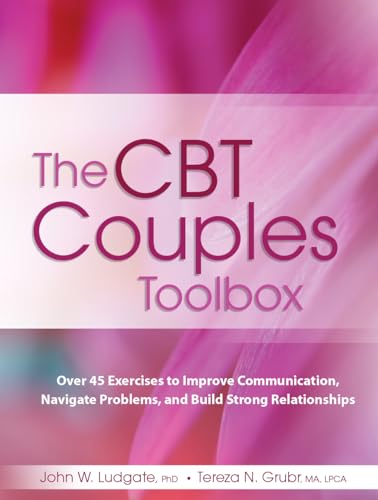
The CBT Couples Toolbox: Over 45 Exercises to Improve Communication, Navigate Problems and Build Strong Relationships
As an affiliate, we earn on qualifying purchases.
As an affiliate, we earn on qualifying purchases.
Conclusion
By recognizing the four horsemen—criticism, contempt, defensiveness, and stonewalling—you hold the power to change your relationship’s fate. Like a lighthouse guiding ships through stormy seas, awareness acts as your beacon, warning you before chaos takes hold. Don’t let these signals drown out the love you cherish; instead, use them as your map to navigate smoother, healthier connections. Remember, you steer your own destiny—choose understanding over destruction.

The Couple's Activity Book: 70 Interactive Games to Strengthen Your Relationship (Relationship Books for Couples)
As an affiliate, we earn on qualifying purchases.
As an affiliate, we earn on qualifying purchases.

The Somatic Therapy Workbook: Stress-Relieving Exercises for Strengthening the Mind-Body Connection and Sparking Emotional and Physical Healing
As an affiliate, we earn on qualifying purchases.
As an affiliate, we earn on qualifying purchases.