
Couples journals for communication come in two very different flavors: structured workbooks that teach conflict-resolution skills, and lighter prompt journals that build a daily habit of conversation. After comparing 15 popular options, Tell Me More stands out as the best overall pick because it balances guided depth with an approachable format that works for couples at any stage. The Two-Pen Relationship Workbook is the strongest choice if you want a structured 8-week program with side-by-side exercises, while A Year of Us is the easiest entry point for couples who have never journaled together. The main tradeoff in this category is depth versus consistency — intensive workbooks produce faster change but get abandoned, while gentle daily journals are easier to sustain but rarely address conflict directly. Read on for the full breakdown, including who each journal is for and which ones to skip.
Key Takeaways
- Structured workbooks like The Two-Pen Relationship Workbook and Love More, Fight Less deliver the most skill-building, but they demand 15+ minutes per session and are the most likely to be abandoned by busy or skeptical partners.
- The back-and-forth exchange format (Wife And Husband Back And Forth Journal, Back and Forth Journal for Couples) consistently felt lower-pressure than fill-in-together formats, making it the better fit when one partner is reluctant.
- One-question-a-day journals (A Year of Us, One Question a Day for You & Me) win on consistency but overlap heavily — the real differentiator is time span, with the three-year version better suited to couples who want a long-term keepsake.
- Question-bank journals (Questions for Couples Journal, Couples Journal for Him and Her) offer variety but the weakest communication focus — they are conversation starters, not conflict or connection tools.
- The strongest journals paired prompts with teaching content or a clear structure (weekly themes, check-in rituals), which separated the top picks from prompt-only alternatives.
| Love More, Fight Less: Communication Skills Every Couple Needs | 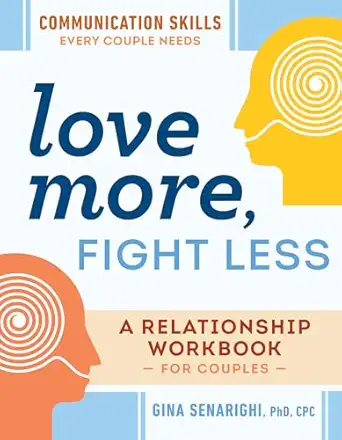 | Best Skills-Based Approach | Format: Relationship workbook | Primary Focus: Communication skills and conflict reduction | Target Audience: Couples | VIEW LATEST PRICE | See Our Full Breakdown |
| The Two-Pen Relationship Workbook for Couples: An 8-Week Program Built for Both of You |  | Best Overall | Format: Workbook | Program Length: 8 weeks | Exercise Duration: 15 minutes | VIEW LATEST PRICE | See Our Full Breakdown |
| For His Eyes Only: A Couple’s Guided Journal for Love, Communication, and Emotional Intimacy |  | Best for Emotional Intimacy | Format: Guided journal | Primary Focus: Love, communication, emotional intimacy | Completion Style: One partner writes, the other reads | VIEW LATEST PRICE | See Our Full Breakdown |
| Wife And Husband Back And Forth Journal: A Marriage Diary With Questions For Couples To Fill Out Together |  | Best Daily Habit Builder | Format: Marriage diary / question journal | Completion Style: Back and forth between partners | Frequency: Daily | VIEW LATEST PRICE | See Our Full Breakdown |
| No More Fighting: A Relationship Journal for Couples: 52 Weeks of Prompts and Practices |  | Best Long-Term Program | Format: Relationship journal | Program Length: 52 weeks | Frequency: Weekly prompts and practices | VIEW LATEST PRICE | See Our Full Breakdown |
| The Relationship Check-In Journal: Couples Journaling |  | Best for Weekly Rituals | Format: Couples journal with conversation starters | Primary use: Regular relationship check-ins | Prompt style: Conversation starters for couples | VIEW LATEST PRICE | See Our Full Breakdown |
| Tell Me More: A Guided Couples Journal for Spouses and Partners to Deepen Communication, Connection, and Love |  | Best for Emotional Depth | Format: Guided journal | Audience: Couples, spouses, partners | Prompt style: Structured questions and prompts | VIEW LATEST PRICE | See Our Full Breakdown |
| Back and Forth Journal for Couples: A Fun and Playful Way to Deepen Your Bond, Spark Joy and Thrive One Page at the Time |  | Best for Lighthearted Couples | Format: Back-and-forth exchange journal | Tone: Fun and playful | Primary use: Bonding and shared joy | VIEW LATEST PRICE | See Our Full Breakdown |
| A Year of Us: A Couples Journal – One Question a Day to Spark Fun and Meaningful Conversations |  | Best Daily Keepsake | Format: Daily couples journal | Prompt frequency: One question per day | Duration: One year | VIEW LATEST PRICE | See Our Full Breakdown |
| One Question a Day for You & Me: A Three-Year Journal |  | Best Long-Term Commitment | Format: Three-year journal | Prompt frequency: Daily | Duration: Three years | VIEW LATEST PRICE | See Our Full Breakdown |
| Just Between Us: A Couple’s Guided Journal for Building the Life You Want |  | Best for Goal-Oriented Couples | Format: Paperback guided journal | Series: Resiliency Guides | Style: Prompted exercises for couples | VIEW LATEST PRICE | See Our Full Breakdown |
| A Couple’s Love Journal: 52 Weeks to Reignite Your Relationship, Deepen Communication, and Strengthen Your Bond |  | Best Year-Long Program | Format: Guided journal | Duration: 52 weeks | Structure: Weekly prompts and activities | VIEW LATEST PRICE | See Our Full Breakdown |
| Back and Forth Journal for Husband and Wife |  | Best Playful Exchange Format | Format: Back-and-forth exchange journal | Audience: Husbands and wives | Usage Style: Alternating entries passed between partners | VIEW LATEST PRICE | See Our Full Breakdown |
| Questions for Couples Journal: 400 Questions to Enjoy, Reflect, and Connect with Your Partner |  | Best Prompt Library | Format: Guided question journal | Number of Questions: 400 | Structure: Non-sequential, browse freely | VIEW LATEST PRICE | See Our Full Breakdown |
| Couples Journal for Him and Her to Fill Out Together: Fun and Deep Questions to Enjoy, Reflect and Strengthen Your Relationship |  | Best Hybrid: Questions Plus Bucket Lists | Format: Fill-in-together couples journal | Prompt Types: Fun and deep questions | Special Features: Bucket lists and adventure recording pages | VIEW LATEST PRICE | See Our Full Breakdown |
| couples journals for communication | Format |
|---|---|
| Love More | Relationship workbook |
| The Two-Pen Relationship Workb | Workbook |
| For His Eyes Only: A Couple’s | Guided journal |
| Wife And Husband Back And Fort | Marriage diary / question journal |
| No More Fighting: A Relationsh | Relationship journal |
| The Relationship Check-In Jour | Couples journal with conversation starters |
| Tell Me More: A Guided Couples | Guided journal |
| Back and Forth Journal for Cou | Back-and-forth exchange journal |
| A Year of Us: A Couples Journa | Daily couples journal |
| One Question a Day for You & M | Three-year journal |
| Just Between Us: A Couple’s Gu | Paperback guided journal |
| A Couple’s Love Journal: 52 We | Guided journal |
| Back and Forth Journal for Hus | Back-and-forth exchange journal |
| Questions for Couples Journal: | Guided question journal |
| Couples Journal for Him and He | Fill-in-together couples journal |
More Details on Our Top Picks
Love More, Fight Less: Communication Skills Every Couple Needs
Love More, Fight Less stands out because it treats communication as a learnable skill set rather than a series of romantic prompts. Where options like No More Fighting lean on weekly reflections, this workbook walks couples through structured exercises designed to change how arguments actually unfold. This pick makes the most sense for pairs who keep hitting the same recurring conflict patterns and want a workbook grounded in therapeutic technique rather than casual question-and-answer pages.
The tradeoff is intensity. Compared with lighter options such as A Year of Us, this demands genuine emotional effort and honesty, and a partner who only wants fun conversation starters may find it feels closer to homework than date night.
Pros:- Communication-first focus matches the roundup’s core purpose
- Skills-based exercises address the root causes of arguments, not just symptoms
- Therapeutic structure gives couples a clear framework to follow
- Works well as a supplement to couples counseling
Cons:- Requires real emotional effort and willingness to confront difficult patterns
- Feels more like homework than a fun shared activity
- Sparse guidance on pacing — motivated couples must set their own rhythm
Best for: Couples stuck in repetitive conflict cycles who want therapeutic, skills-based exercises instead of casual prompts
Not ideal for: Couples seeking a lighthearted keepsake journal — this is structured relationship work, not a fun prompt book
- Format:Relationship workbook
- Primary Focus:Communication skills and conflict reduction
- Target Audience:Couples
- Approach:Skills-based, exercise-driven
- Style:Therapeutic workbook
- Best Used As:Structured communication practice or counseling supplement
Our verdict“Couples who argue the same fights on repeat will get more lasting change here than from any prompt-style journal.”
The Two-Pen Relationship Workbook for Couples: An 8-Week Program Built for Both of You
This is the pick I’d point most couples toward first, because it solves the problem that sinks most relationship journals: one partner doing all the work. The two-pen, side-by-side format means both people fill in answers simultaneously, which keeps engagement balanced in a way that traditional back-and-forth journals like Wife And Husband Back And Forth Journal can’t guarantee when one person stalls.
The 8-week structure with 15-minute exercises is the other differentiator — compared with the yearlong commitment of No More Fighting, this is a finishable program. The tradeoff is that an eight-week arc ends; couples wanting an ongoing daily ritual will outgrow it quickly, and a partner who won’t commit to daily sessions will blunt its effect.
Pros:- Side-by-side two-pen format keeps both partners equally engaged
- 15-minute sessions fit realistically into busy schedules
- Clear 8-week progression builds skills in a logical order
- Covers trust, conflict resolution, and connection in one program
Cons:- Program ends after eight weeks, leaving couples without an ongoing ritual
- Requires commitment from both partners to deliver results
- Less depth per topic than open-ended journals allow
Best for: Busy couples who want a structured, time-boxed program both partners actually complete together
Not ideal for: Couples where one partner is reluctant — the two-pen design collapses without equal participation
- Format:Workbook
- Program Length:8 weeks
- Exercise Duration:15 minutes
- Completion Style:Side by side, both partners simultaneously
- Target Audience:Couples
- Focus Areas:Trust, conflict resolution, closeness
- Commitment Level:Daily short sessions over 8 weeks
Our verdict“The most balanced choice for couples who want a complete, finishable communication program rather than an endless prompt book.”
For His Eyes Only: A Couple’s Guided Journal for Love, Communication, and Emotional Intimacy
For His Eyes Only takes a different angle than everything else in this lineup: instead of partners answering side by side like The Two-Pen Relationship Workbook, it builds emotional intimacy through private, guided disclosure — one partner writes, the other reads and responds. That format creates a kind of vulnerability that simultaneous fill-in exercises rarely reach, making it a strong fit for couples where one partner struggles to say feelings out loud.
The tradeoff is asymmetry. Unlike balanced back-and-forth journals, this leans on one direction of sharing, which can feel uneven if both partners want equal writing time. Compared with Just Between Us, which splits prompts evenly, this is more specialized and less of an all-purpose daily habit.
Pros:- Private writing format unlocks vulnerability that spoken conversation often blocks
- Guided prompts specifically target emotional intimacy, not just logistics
- Lower-pressure entry point for partners resistant to face-to-face relationship talks
- Works as a bridge into harder conversations over time
Cons:- One-directional format can feel lopsided for couples wanting equal participation
- Less structure than program-based workbooks like the Two-Pen option
- Requires a receptive reading partner to have any effect
Best for: Couples where one partner finds it easier to write feelings than speak them, and wants a channel for deeper disclosure
Not ideal for: Couples wanting a balanced two-way exchange — the format privileges one writer’s voice
- Format:Guided journal
- Primary Focus:Love, communication, emotional intimacy
- Completion Style:One partner writes, the other reads
- Target Audience:Couples
- Approach:Guided prompts for private disclosure
- Best Used As:Intimacy-building supplement to regular conversation
Our verdict“A specialized pick for couples who need a written channel to open up emotional conversations they can’t have face to face.”
Wife And Husband Back And Forth Journal: A Marriage Diary With Questions For Couples To Fill Out Together
Where The Two-Pen Relationship Workbook is a finite program, this journal is built for daily repetition — a question-driven diary that turns communication into a standing ritual rather than an eight-week sprint. The back-and-forth exchange format naturally creates dialogue: one partner answers, hands it over, and the other responds, which makes it feel closer to a written conversation than a worksheet.
Compared with For His Eyes Only, the trade-on is depth versus rhythm — daily questions stay accessible but rarely dig as deep as therapy-style exercises. Couples in acute conflict will find it too gentle; those wanting a sustainable, low-friction habit will find it just right.
Pros:- Daily format builds a sustainable long-term communication habit
- Back-and-forth exchange creates natural written dialogue
- Reflection prompts strengthen connection without heavy emotional labor
- Low barrier to entry for partners skeptical of ‘relationship work’
Cons:- Daily prompts prioritize consistency over depth
- Easy to let the ritual lapse without a program structure to hold you accountable
- Duplicates much of what other back-and-forth journals in this guide already do
Best for: Married couples who want a low-effort daily ritual that keeps conversation happening between bigger talks
Not ideal for: Couples in active conflict who need structured skills work — the prompts are too gentle for serious problems
- Format:Marriage diary / question journal
- Completion Style:Back and forth between partners
- Frequency:Daily
- Primary Focus:Daily relationship reflection and connection
- Target Audience:Married couples
- Approach:Question-driven, conversational
- Best Used As:Ongoing daily communication ritual
Our verdict“Ideal for couples who want communication to become a daily rhythm rather than a project with an end date.”
No More Fighting: A Relationship Journal for Couples: 52 Weeks of Prompts and Practices
No More Fighting splits the difference between the two poles of this roundup: it’s more structured than open-ended prompt books like A Year of Us, yet less intensive than the skills-heavy Love More, Fight Less. Its 52 weekly prompts and practices give couples a full year of conflict-focused communication work with a predictable, low-pressure cadence — one focused session per week instead of daily entries.
The tradeoff is pacing. Compared with the 8-week Two-Pen workbook, progress is slower and momentum is easier to lose between weekly sessions; a couple in the middle of a rough patch may find weekly frequency too infrequent. But for maintaining a healthy relationship rather than repairing a crisis, the yearlong arc is a genuine strength.
Pros:- Full year of prompts builds a durable long-term practice
- Weekly cadence suits couples who can’t sustain daily journaling
- Combines reflective prompts with actionable communication practices
- Conflict-focused framing keeps the work purposeful rather than fluffy
Cons:- Weekly rhythm makes it easy to skip sessions and lose momentum
- Slower progress than short program-based workbooks for couples needing immediate help
- A one-year commitment may intimidate partners new to journaling
Best for: Stable couples who want steady, yearlong communication maintenance with a weekly check-in rhythm
Not ideal for: Couples in urgent conflict who need fast, intensive intervention — weekly pacing is too slow
- Format:Relationship journal
- Program Length:52 weeks
- Frequency:Weekly prompts and practices
- Primary Focus:Conflict reduction, connection, communication
- Target Audience:Couples
- Approach:Weekly prompts paired with practices
- Commitment Level:One year, weekly sessions
Our verdict“The best pick for couples playing the long game — steady weekly communication practice over a full year rather than a quick fix.”
The Relationship Check-In Journal: Couples Journaling
This option stands out for its focus on regular check-ins rather than open-ended journaling, which makes it a natural fit for couples who want communication to become a scheduled habit instead of an occasional event. The built-in conversation starters remove the blank-page problem that stalls most shared journals, and the format works for partners of any gender, unlike the more role-specific For His Eyes Only. Compared with A Year of Us, which spreads one question across each day, this journal’s check-in structure suits couples who prefer a slower, more deliberate weekly rhythm. The main drawback is transparency: format and contents are thin on detail, so buyers relying on page counts or prompt depth will be taking a small leap of faith.
Pros:- Conversation starters remove the intimidation of a blank page
- Encourages a consistent, habitual communication rhythm
- Gender-neutral design works for any couple
- Check-in structure keeps sessions focused rather than sprawling
Cons:- Publisher provides little detail on format or contents
- Less depth than program-style workbooks like Love More, Fight Less
Best for: Couples who want a low-pressure weekly communication ritual with prompts that work for any pairing
Not ideal for: Buyers who want to know exact page counts, prompt structure, and physical quality before committing
- Format:Couples journal with conversation starters
- Primary use:Regular relationship check-ins
- Prompt style:Conversation starters for couples
- Audience:Partners of any gender
- Goal:Habitual, meaningful dialogue
- Structure:Check-in based rather than daily
Our verdict“A solid pick for couples who value consistency over depth and want prompts that fit any relationship dynamic.”
Tell Me More: A Guided Couples Journal for Spouses and Partners to Deepen Communication, Connection, and Love
Where The Relationship Check-In Journal prioritizes frequency, this guided journal leans into depth and emotional intimacy, with prompts built to move conversations past surface-level logistics. The guided format does real work here: partners who freeze at open questions get a structure that makes starting meaningful conversations easy, and the emphasis on connection makes it a better match for couples rebuilding closeness than lighter options like Back and Forth Journal for Couples. The tradeoff is honest and worth stating plainly — results depend entirely on both partners engaging. One reluctant partner turns the whole exercise flat, whereas workbooks like The Two-Pen Relationship Workbook at least split the workload with side-by-side exercises.
Pros:- Guided prompts lower the barrier to vulnerable conversations
- Explicitly targets emotional connection and intimacy, not just talk
- Works for both spouses and unmarried partners
- Structured enough for couples unsure how to start deep talks
Cons:- Value collapses if one partner won’t participate
- Depth-focused prompts may feel heavy for casual or newer couples
Best for: Couples who already communicate okay but want to go deeper emotionally with structured prompts
Not ideal for: Couples where one partner is skeptical or unlikely to participate consistently
- Format:Guided journal
- Audience:Couples, spouses, partners
- Prompt style:Structured questions and prompts
- Focus:Communication, emotional connection, love
- Use mode:Shared reflection and conversation
- Depth level:Deeper emotional prompts
Our verdict“The strongest choice for couples ready to move past small talk, provided both partners are genuinely on board.”
Back and Forth Journal for Couples: A Fun and Playful Way to Deepen Your Bond, Spark Joy and Thrive One Page at the Time
This pick makes the most sense for couples who find earnest prompt journals a little too heavy. Its playful back-and-forth format turns journaling into a shared game — one partner writes, the other responds — which sidesteps the vulnerability barrier that stops couples from finishing books like Tell Me More. Compared with the similarly structured Back and Forth Journal for Husband and Wife, this version emphasizes joy and fun over therapy-style reflection, making it a better entry point for newer relationships or conflict-averse pairs. The flip side: couples seeking substantive conflict-resolution tools should look to No More Fighting instead, because fun-first prompts won’t surface hard conversations on their own. It’s connection maintenance, not repair work.
Pros:- Back-and-forth format makes participation feel like a game
- Playful tone lowers resistance for reluctant partners
- Builds a shared written record of your relationship
- Great low-pressure entry point for newer couples
Cons:- Fun-first prompts avoid the harder conversations some couples need
- Lighthearted framing may feel shallow for long-married couples
Best for: Newer couples or playful pairs who want bonding without heavy emotional labor
Not ideal for: Couples working through real conflict who need structured communication tools
- Format:Back-and-forth exchange journal
- Tone:Fun and playful
- Primary use:Bonding and shared joy
- Structure:One page at a time
- Audience:Couples
- Interaction style:Alternating written responses
Our verdict“The best choice for keeping connection fun and light, as long as your relationship doesn’t need deeper repair work.”
A Year of Us: A Couples Journal – One Question a Day to Spark Fun and Meaningful Conversations
This model wins on sustainability: a single question per day is a commitment nearly any couple can keep, unlike heavier programs such as The Two-Pen Relationship Workbook that demand 15-minute exercises side by side. The one-a-day pacing means couples who abandoned ambitious journals before have a realistic shot at finishing, and the year-long structure doubles as a keepsake of shared memories you’ll actually want to revisit. Compared with One Question a Day for You & Me, this journal covers one year rather than three, which suits couples who want a complete record sooner rather than a long-horizon archive. The honest downside: daily questions are quick by design, so couples craving emotional depth get shallower exchanges than Tell Me More provides, and physical details like paper quality remain unknown.
Pros:- One-question-per-day format is easy to maintain long-term
- Blends fun and meaningful prompts for variety
- Produces a complete year-long keepsake of memories
- Low time commitment fits busy schedules
Cons:- Daily prompts stay brief by design, limiting depth
- Paper quality and size details are not disclosed
Best for: Couples who want a manageable daily habit and a finished keepsake after one year
Not ideal for: Couples seeking deep emotional processing or detailed physical specs before buying
- Format:Daily couples journal
- Prompt frequency:One question per day
- Duration:One year
- Use:Answered together as a couple
- Output:Keepsake of shared memories and reflections
- Tone:Fun and meaningful mix
Our verdict“The most realistic daily habit-builder for busy couples, with a finished keepsake as the reward for sticking with it.”
One Question a Day for You & Me: A Three-Year Journal
The three-year span is what sets this journal apart from every daily alternative in this roundup. Where A Year of Us closes the book after twelve months, this format asks the same daily question across three years, letting couples literally watch their answers evolve — a feature no other pick here offers. That longitudinal angle makes it a stronger choice for anniversaries, newlyweds, or couples at a life transition who want to track change over time. The tradeoff is commitment fatigue: three years is a long runway, and pairs who struggled to finish a one-year journal may find this one abandoned by spring. Daily single questions also keep entries brief, so couples wanting guided depth should pair this with something like Tell Me More rather than expect it to carry serious conversations alone.
Pros:- Three-year format reveals how answers and the relationship evolve
- Daily single question keeps entries quick and sustainable
- Makes a meaningful gift for weddings and anniversaries
- Builds an unusually rich long-term record of the relationship
Cons:- Three-year commitment invites dropout for inconsistent couples
- Brief daily entries lack the depth of guided workbooks
Best for: Newlyweds and long-horizon couples who want to see their answers change across three years
Not ideal for: Couples who have already failed at daily journaling habits or need prompt depth now
- Format:Three-year journal
- Prompt frequency:Daily
- Duration:Three years
- Intended audience:Couples
- Structure:Recurring questions answered year over year
- Best use:Long-term reflection and comparison
Our verdict“The pick for couples who want a multi-year time capsule of their relationship rather than a single-year snapshot.”
Just Between Us: A Couple’s Guided Journal for Building the Life You Want
Most journals in this category focus on reflecting on the past, but this one flips the frame toward the future — its prompts ask partners to design the life they want together, not just process what already happened. That forward-looking angle makes it a natural companion to A Year of Us, which lives in daily micro-questions; where that book builds habit, this one builds direction. As part of the Resiliency Guides series, it leans more structured and therapeutic than playful options like the Back and Forth Journal for Husband and Wife, which suits couples who want substance over banter. The tradeoff: lighter on fun and spontaneity, and it assumes both partners are willing to do genuine emotional work rather than skim a prompt a week.
Pros:- Future-focused prompts that go beyond reminiscing to shared goal-setting
- Backed by a dedicated self-help series with a therapeutic structure
- Deeper exercises than one-question-a-day formats
- Works well as a companion to daily-habit couples journals
Cons:- Heavier emotional investment required than casual back-and-forth journals
- Less playful — couples wanting fun will find it earnest
Best for: Couples who want a journal that doubles as a life-planning tool — merging communication practice with shared long-term goals
Not ideal for: Couples looking for lighthearted daily banter — the exercises demand real reflection and won’t work if one partner just goes through the motions
- Format:Paperback guided journal
- Series:Resiliency Guides
- Style:Prompted exercises for couples
- Focus:Communication and building a shared life
- Audience:Couples completing together
- Tone:Structured and therapeutic
Our verdict“This pick makes the most sense for partners who treat journaling as a planning ritual for their future, not just a conversation starter.”
A Couple’s Love Journal: 52 Weeks to Reignite Your Relationship, Deepen Communication, and Strengthen Your Bond
The 52-week structure is what sets this journal apart: it functions as a year-long communication program rather than a book you dip into randomly. Compared with Questions for Couples Journal, which offers 400 prompts you can tackle in any order, this one imposes a weekly rhythm — good for partners who need built-in pacing, less appealing for couples who resent homework. It shares the year-long ambition of No More Fighting, but positions itself around reigniting connection rather than conflict resolution specifically. The commitment is real: partners who fall behind after a few weeks may end up with a half-finished book and mild guilt, so honest self-assessment about consistency matters before choosing it.
Pros:- Clear 52-week structure removes the ‘where do we start’ problem
- Explicit communication focus throughout the year
- Balances reconnection with bond-building activities
- Long enough duration to build a genuine habit
Cons:- Requires sustained weekly commitment from both partners
- Less flexible than prompt banks you can pick up and put down
Best for: Committed couples who thrive on structure and want a paced, week-by-week relationship ritual rather than open-ended prompts
Not ideal for: Couples with unpredictable schedules or low follow-through — the weekly cadence becomes a chore once you fall behind
- Format:Guided journal
- Duration:52 weeks
- Structure:Weekly prompts and activities
- Focus:Communication, reconnection, and bond-building
- Audience:Couples in established relationships
- Pacing:One entry per week
Our verdict“Choose this if you and your partner respond well to scheduled programs and want communication work that unfolds across a full year.”
Back and Forth Journal for Husband and Wife
Where most journals here ask couples to sit down together, this one builds in a turn-taking back-and-forth format — one partner writes, passes it off, and the other responds. That mechanism changes the dynamic entirely: it works even when schedules clash, since answers wait patiently on the page. Compared with Wife And Husband Back And Forth Journal, a near-identical concept, this version keeps its framing lighter and less therapy-coded, which lowers the barrier for a hesitant husband who might resist anything labeled a workbook. The tradeoff versus Tell Me More is depth — playful exchanges can stay surface-level unless both partners push themselves, and there’s no structured curriculum to force harder conversations.
Pros:- Asynchronous format fits couples who can’t sync schedules
- Playful tone lowers resistance from reluctant partners
- Pass-the-book mechanic builds anticipation between exchanges
- Simple enough to start with zero preparation
Cons:- Prompts can stay shallow without a structure pushing depth
- Relies entirely on both partners actually keeping the exchange going
Best for: Busy married couples with mismatched schedules who want low-pressure connection without coordinating sit-down journaling sessions
Not ideal for: Couples seeking structured therapeutic work — the playful format has no curriculum and depends on both partners going deeper voluntarily
- Format:Back-and-forth exchange journal
- Audience:Husbands and wives
- Usage Style:Alternating entries passed between partners
- Tone:Playful and conversational
- Focus:Sharing thoughts and building connection
- Scheduling:Asynchronous — no need to journal together
Our verdict“This model suits spouses who want a fun, low-commitment ritual that works around busy lives rather than demanding scheduled sessions.”
Questions for Couples Journal: 400 Questions to Enjoy, Reflect, and Connect with Your Partner
Think of this as a bulk prompt library rather than a program — 400 questions means this option outlasts nearly everything else in the lineup by sheer volume. Where A Couple’s Love Journal paces you week by week, this book hands you total freedom: open any page on a date night and start talking. That flexibility is the core appeal and the core weakness, because no structure means no accountability — couples who don’t self-start may find it gathering dust. The questions span light to reflective, though partners married for decades may find some ground already well covered. Compared with A Year of Us and its single daily question, the sheer choice here suits couples who like browsing rather than following a fixed thread.
Pros:- 400 prompts provide exceptional longevity and variety
- No-order format lets couples skip freely to relevant questions
- Strong gift option for weddings, anniversaries, and new couples
- Mix of fun and reflective questions suits many moods
Cons:- Zero structure or progression — consistency is entirely self-driven
- Some questions feel repetitive for couples who’ve been together for years
Best for: Couples who want a flexible, pick-any-page conversation bank for date nights, road trips, and gifts — not a rigid program
Not ideal for: Long-term couples who’ve already covered the basics and may find some questions repetitive, or partners who need structure to stay consistent
- Format:Guided question journal
- Number of Questions:400
- Structure:Non-sequential, browse freely
- Focus:Reflection, enjoyment, and connection
- Audience:Couples at any relationship stage
- Gift Suitability:High — weddings, anniversaries, date nights
Our verdict“Pick this if you want the deepest question bank in the roundup and the freedom to use it whenever the mood strikes.”
Couples Journal for Him and Her to Fill Out Together: Fun and Deep Questions to Enjoy, Reflect and Strengthen Your Relationship
This journal’s distinguishing move is pairing conversation prompts with bucket-list pages — it doesn’t just get couples talking, it gets them planning adventures together. That two-mode design makes it a middle ground between the reflective Questions for Couples Journal and pure planning books: you get both the fun and deep questions and space to record the adventures you actually have. Compared with the Back and Forth Journal for Husband and Wife, this is a sit-down-together book rather than an exchange format, which is better for couples who enjoy shared sessions but worse for those with clashing schedules. The tradeoff is a jack-of-two-trades risk: neither the question bank nor the bucket-list sections go as deep as single-purpose alternatives.
Pros:- Combines conversation prompts and bucket-list planning in one book
- Mix of light and deep questions keeps tone balanced
- Creates a keepsake record of shared adventures
- Fill-out-together format encourages real joint sessions
Cons:- Neither half matches the depth of single-focus alternatives
- Requires couples to sit down together, unlike asynchronous formats
Best for: Adventurous couples who want one book that combines reflective conversation with planning and recording shared experiences
Not ideal for: Couples who want depth in one direction — dedicated question libraries or structured programs each go further than this hybrid
- Format:Fill-in-together couples journal
- Prompt Types:Fun and deep questions
- Special Features:Bucket lists and adventure recording pages
- Usage Style:Completed jointly by both partners
- Focus:Reflection, connection, and shared experiences
- Tone:Balanced — playful and meaningful
Our verdict“This option stands out for active couples who want their journal to double as an adventure planner and memory book alongside its conversation prompts.”

How We Picked
I evaluated each journal against the specific goal of improving couple communication, not just general romance. That meant judging whether the prompts actually surface meaningful topics — conflict styles, unmet needs, appreciation, future planning — versus generic icebreakers. I also weighed format fit: whether a journal is designed for simultaneous fill-in, alternating back-and-forth exchange, or independent reflection, since this determines whether both partners will actually participate. Time commitment mattered too, because the best journal is the one a couple will still open in week six.
Finally, I considered structure and guidance quality: does the journal teach any communication skill, or does it only ask questions? Journals that combined prompts with brief coaching or weekly themes ranked higher for couples working through real friction, while low-effort, playful journals ranked as entry points rather than serious tools. Durability, layout quality, and whether the book works as a keepsake served as tiebreakers. Products are ordered from the most complete communication tools down to lighter conversational options, so the ranking reflects depth of purpose.
Factors to Consider When Choosing Couples Journals For Communication
Before choosing a couples journal, it helps to understand how these books differ in purpose and design. The right pick depends less on quality — most are competent — and more on matching the format to your relationship’s current dynamic.
Skill-Building Workbooks vs. Prompt Journals
The single biggest distinction in this category is between journals that teach communication techniques and journals that simply generate conversation. Workbooks built around exercises — conflict scripts, active-listening practice, trust builders — can genuinely change how a couple argues and repairs. Prompt journals, by contrast, improve connection by creating regular low-stakes conversations. A common mistake is buying a deep therapeutic workbook when the real need is simply to talk more; the intensity can backfire, especially with a hesitant partner. If your relationship is fundamentally healthy but conversation has gone stale, a prompt journal will serve you better than a conflict-resolution program.
Fill-In Formats: Together, Alternating, or Apart
Couples journals use three physical formats, and this detail determines whether the habit sticks. Side-by-side fill-in journals require both partners present, which creates accountability but also gives either partner veto power over the ritual. Back-and-forth journals, where partners exchange the book like a letter, are ideal when schedules clash or when one person is shy about answering aloud. Independent journals answered separately work for long-distance couples but lose the shared ritual. If one partner is skeptical about journaling, the alternating format almost always lowers the barrier to entry.
Time Commitment and Session Length
Be honest about how many minutes per week you and your partner will actually give this. Fifteen-minute structured exercises sound reasonable until life intervenes, and half-finished workbooks become a source of guilt rather than connection. Five-minute daily formats — one question, two lines each — survive busy seasons far better. A useful rule: the deeper the problem you are trying to solve, the more time you should budget, but if consistency is your weak point, choose the shorter format and scale up later. Many couples start with a lightweight journal and graduate to a workbook once the habit exists.
Prompt Depth and Topic Coverage
Flip through the prompt list — or read it carefully in the product description — and check whether the journal covers hard topics: money, intimacy, family, resentment, and conflict patterns. Many popular journals stay safely in the territory of favorites, dreams, and light nostalgia, which is pleasant but will not improve how you communicate about difficulties. The best communication journals deliberately progress from easy prompts to vulnerable ones, building trust over weeks. If every question could comfortably be asked at a dinner party, the journal is a conversation starter, not a communication tool.
Build Quality and Keepsake Value
For daily-use journals, lay-flat binding and thick paper matter more than they sound — a book that will not stay open gets used less, and ink bleed-through makes rereading disappointing. If you intend the journal as a multi-year keepsake, as with three-year formats, prioritize hardcover construction and dated entries. Workbooks that you will complete once and shelve can be paperback without much loss. One overlooked point: smaller trim sizes are easier to keep on a nightstand, and nightstand proximity is quietly one of the best predictors of whether a journaling habit survives.
Guided Coaching vs. Bare Prompts
Some journals include short teaching sections before each set of prompts — a paragraph on repair attempts, a note on avoiding defensiveness — while others present questions with no framing. The coached versions deliver more value for couples who have never done relationship work, because the prompt becomes practice rather than guesswork. Bare-prompt journals suit experienced couples who just need structure and consistency. The tradeoff is that coaching takes space, so coached journals usually offer fewer total prompts. Decide whether you want a teacher or a facilitator sitting between you and your partner.
Frequently Asked Questions
What if my partner is reluctant to journal with me?
Reluctance is common, and format choice makes or break participation. Back-and-forth journals, where one partner answers and passes the book, tend to work best because they remove the pressure of answering face-to-face and let each person control their timing. Keep sessions short — a one-question-a-day journal asks for two minutes, not an evening. It also helps to frame the journal as curiosity rather than therapy; playful prompt collections land better with skeptical partners than conflict-focused workbooks. Start with the lightest option that feels fun, and move to a deeper workbook only once the routine feels natural rather than assigned.
Can a couples journal actually help with serious conflict, or do we need therapy?
A journal is a supplement, not a substitute. Structured workbooks in this roundup teach real techniques — active listening, repair language, de-escalation — and many couples see meaningful improvement in how they argue. But if conflict involves contempt, recurring betrayal, or emotional safety concerns, a journal can superficially paper over problems that need a professional. A reasonable middle path: use a communication-focused workbook alongside couples counseling, with the journal serving as homework that keeps skills sharp between sessions. Journals excel at prevention and maintenance; they are weakest as intervention during active crisis.
Is a one-question-a-day journal better than a weekly workbook format?
Neither is objectively better — they solve different problems. Daily journals win on consistency: tiny entries survive busy weeks, and the accumulated book becomes a meaningful record of your relationship over years. Weekly workbooks win on depth and skill-building, since a fifteen-minute exercise can walk you through a conflict scenario in ways a two-line answer cannot. Couples who struggle to keep habits should choose daily; couples facing a specific issue like recurring arguments should choose the workbook. Some couples genuinely benefit from owning one of each and using them at different rhythms.
How long should we expect a couples journal to last?
It varies more than most buyers expect, from a few weeks to three years. Question-bank journals with 400 prompts can last a year or more at a casual pace, while an 8-week program finishes in two months by design. One-a-day formats typically run one to three years depending on the edition. Consider what you want at the end: some couples prefer a finished program with a sense of completion, others want an ongoing ritual that never quite ends. If finishing things together feels motivating to you both, a dated, finite journal will be more satisfying than an open-ended one.
Are longer journals with more questions always the better value?
No, and this is one of the most common mistakes in this category. A 400-question journal filled with shallow prompts delivers less communication improvement than a 52-week journal with well-sequenced, progressively deeper questions. Quality of sequencing matters enormously — the best journals deliberately move from easy topics to vulnerable ones so trust builds over time. Question count is also misleading if many prompts repeat a theme in slightly different words. Judge a journal by whether its questions would make you pause and think, not by the number printed on the cover.
Conclusion
The right pick depends entirely on where your relationship stands and how much time you will realistically invest. For best overall, Tell Me More offers the best balance of guided depth and everyday usability. For best value and structure, No More Fighting delivers a full year of weekly prompts and practices at a gentle pace. The Two-Pen Relationship Workbook is the premium, best-structured choice for couples who want an explicit 8-week program with side-by-side exercises, while Love More, Fight Less suits couples whose primary goal is conflict-resolution skills. Beginners and reluctant partners should start with A Year of Us or a back-and-forth journal, which lower the barrier to entry. For long-distance couples or those wanting a lasting keepsake, One Question a Day for You & Me spans three years of shared answers. Whatever you choose, the journal only works if it gets opened — pick the one that matches your actual habits, not your idealized ones.