
TL;DR
This guide explains how homeowners can troubleshoot common air conditioner issues safely. It also highlights key signs that indicate when professional help is necessary, ensuring safety and proper maintenance.
Homeowners can now follow a detailed, safety-focused guide to troubleshoot common air conditioner problems, with clear indicators for when professional repair is necessary. This development aims to improve safety and efficiency while reducing unnecessary service calls.
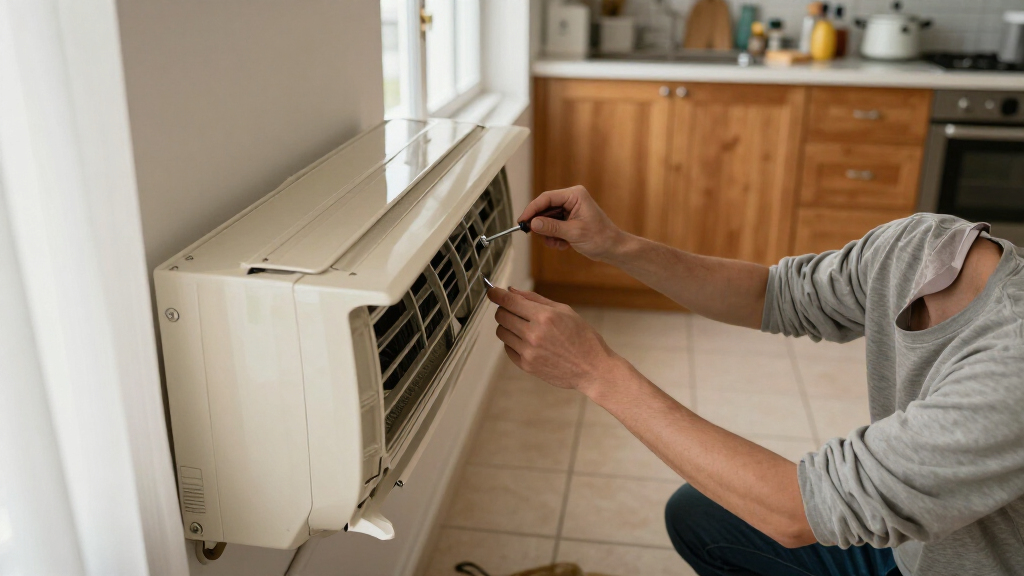
The guide emphasizes basic safety precautions, such as turning off the power before inspecting or working on the AC unit, and avoiding contact with electrical components. It recommends checking simple issues like thermostat settings, air filter cleanliness, and circuit breakers, which are common causes of AC malfunction.
Experts advise that if troubleshooting steps do not resolve the problem, or if there are signs of electrical issues, refrigerant leaks, or strange noises, homeowners should contact a licensed technician. These signs indicate potential safety hazards or complex repairs beyond DIY scope.
The guide also highlights the importance of regular maintenance, such as changing filters and scheduling professional inspections annually, to prevent breakdowns and extend the lifespan of the unit.
Why Proper Troubleshooting and Knowing When to Call a Technician Matters
Understanding how to troubleshoot your air conditioner safely can prevent injuries, reduce repair costs, and ensure the system operates efficiently during peak usage. Recognizing when professional intervention is needed helps avoid further damage and safety risks, such as electrical fires or refrigerant leaks, which can pose health hazards.
This guidance empowers homeowners to handle minor issues confidently and responsibly, minimizing inconvenience during hot weather and preserving energy efficiency.
Products Worth Considering

The Seven Principles for Making Marriage Work: A Practical Guide from the Country's Foremost Relationship Expert
The Seven Principles for Making Marriage Work A Practical Guide from the Country s Foremost Relationship Expert

Love More, Fight Less: Communication Skills Every Couple Needs: A Relationship Workbook for Couples

Hold Me Tight: Seven Conversations for a Lifetime of Love (The Dr. Sue Johnson Collection, Band 1)
Hold Me Tight Seven Conversations for a Lifetime of Love
As an affiliate, we earn on qualifying purchases.
Background on Common AC Troubleshooting and Maintenance
Many homeowners experience AC problems during the warmer months, often due to simple issues like dirty filters or tripped breakers. Regular maintenance, including filter changes and professional inspections, is recommended annually by HVAC experts to prevent more serious failures.
Recent safety advisories stress the importance of understanding electrical hazards associated with AC units, especially when attempting repairs without proper knowledge or equipment. Missteps can lead to injuries or further damage, underscoring the need for clear guidelines for DIY troubleshooting versus professional repairs.
Uncertainties About DIY Troubleshooting Limits and Safety Risks
It remains unclear how many homeowners fully understand electrical safety when troubleshooting AC units, and whether public awareness campaigns are sufficient. Additionally, the exact thresholds for when minor issues become serious safety hazards are not universally agreed upon, which could lead to inconsistent responses.
Further guidance from safety authorities may be needed to clarify these boundaries and improve public understanding.
Next Steps for Homeowners and Industry Standards
Homeowners are encouraged to review detailed troubleshooting guides and ensure they follow safety precautions. HVAC professionals are expected to increase outreach and education efforts to clarify when DIY fixes are appropriate. Industry standards may also evolve to include clearer safety protocols for DIY repairs and maintenance.
Monitoring updates from safety agencies and HVAC associations will help homeowners stay informed about best practices and emerging risks.
Key Questions
What are the first steps I should take if my AC stops working?
Turn off the unit, check the thermostat settings, inspect the air filter, and reset the circuit breaker if needed. If these steps don’t resolve the issue, consider calling a professional.
How can I tell if my AC has a refrigerant leak?
Signs include reduced cooling performance, hissing sounds, or visible oil stains near the unit. However, only a licensed technician can confirm and repair refrigerant leaks safely.
Is it safe to attempt electrical repairs on my AC?
No. Electrical repairs pose serious safety risks. Always turn off power and contact a licensed technician for any electrical issues.
How often should I have my AC inspected professionally?
At least once a year, ideally before the peak cooling season, to ensure optimal performance and safety.
What are common mistakes homeowners make when troubleshooting AC units?
Attempting repairs without turning off power, ignoring warning signs like strange noises or leaks, and trying to handle refrigerant issues without proper training are common mistakes that can be dangerous.
Source: rss