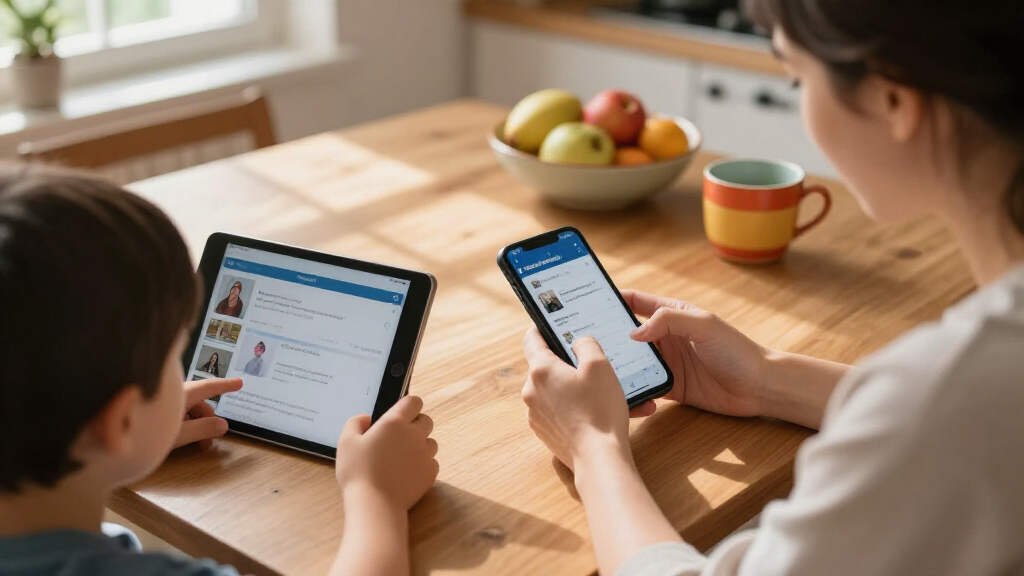
TL;DR
The EU has proposed new legislation to prohibit children under 13 from accessing social media. This move aims to protect minors from online harms but faces legal and practical challenges. Details are still emerging about the proposal’s scope and implementation.
The European Union has proposed legislation to ban children under the age of 13 from using social media platforms, citing concerns over online safety and mental health. The move, announced on April 2024, aims to strengthen protections for minors but faces significant legal and practical hurdles. The proposal marks a major shift in digital regulation within the EU and could influence global policies on youth online safety.
The legislation, if adopted, would prohibit social media companies operating within the EU from offering their services to children under 13. This includes popular platforms such as Facebook, Instagram, TikTok, and others. The proposal emphasizes the need to protect minors from risks including cyberbullying, exposure to inappropriate content, and addictive online behaviors.
Officials involved in drafting the legislation have stated that the measure is part of broader efforts to create a safer online environment for children, aligning with existing EU data protection and privacy laws such as the General Data Protection Regulation (GDPR). The proposal also suggests stricter age verification requirements and enhanced parental controls, although the specifics are still being finalized.
Industry representatives have expressed concern about the feasibility of enforcing such a ban, citing technical challenges and potential legal conflicts with existing laws. Some experts warn that the legislation could lead to increased use of unregulated or foreign platforms, complicating enforcement efforts. The proposal is currently in the consultation phase, with member states and stakeholders expected to provide input before formal legislative procedures begin.
Potential Impact on Digital Safety and Industry
This proposed ban could significantly reshape how social media platforms operate within the EU, setting a precedent for other regions to follow. It underscores a growing emphasis on protecting minors online and could lead to stricter global standards. However, it also raises questions about enforcement, technological feasibility, and the potential for unintended consequences, such as children turning to less regulated platforms. The legislation’s success could influence future policies on digital safety and youth privacy worldwide.

Parental Control: Salfeld Child Control for Android/Windows
- Time Control: Set device and app time limits
- Internet Filter: Block inappropriate websites easily
- Allowed Apps: Manage approved apps and extensions
As an affiliate, we earn on qualifying purchases.
As an affiliate, we earn on qualifying purchases.
EU’s Growing Focus on Youth Online Protection
The EU has been actively developing regulations aimed at safeguarding minors online, including recent updates to privacy laws and digital safety initiatives. The proposed social media ban builds on these efforts, reflecting increasing concern among policymakers, parents, and advocacy groups about the mental health and safety of children in digital spaces. Similar discussions about age restrictions and online protections are ongoing in other jurisdictions, but the EU’s move represents one of the most comprehensive legislative efforts to date.
While the exact scope and implementation details of the proposed ban remain under discussion, the initiative signals a shift towards more proactive regulation of digital platforms concerning minors. The debate is also influenced by rising public awareness of issues such as cyberbullying, online addiction, and exposure to harmful content.
![Notfall Persönlicher Alarm [2er Pack] Qoosea Scream Safesound Alarm 140dB LED Taschenlampe für Kinder/Frauen/Senioren/Student Self Defense Schutz Gesichert (Schwarz + Lila)](https://m.media-amazon.com/images/I/51OG71HBkPL._SL500_.jpg)
Notfall Persönlicher Alarm [2er Pack] Qoosea Scream Safesound Alarm 140dB LED Taschenlampe für Kinder/Frauen/Senioren/Student Self Defense Schutz Gesichert (Schwarz + Lila)
- Loud Personal Alarm: 125-140dB sound for safety
- LED Mini-Taschenlampe: Emergency light source
- Easy Activation: Pull pin to activate, press buttons in danger
As an affiliate, we earn on qualifying purchases.
As an affiliate, we earn on qualifying purchases.
Unresolved Questions About Legislation Scope
It is still unclear how the EU plans to enforce the proposed ban, especially given the technical difficulties of verifying age online. The specifics of how platforms will comply, the penalties for non-compliance, and the timeline for implementation remain to be clarified. Additionally, the legal challenges that may arise from restricting access to certain platforms within the EU are yet to be fully addressed.
Furthermore, it is not yet confirmed whether the legislation will include exemptions or specific provisions for educational or parental control purposes. The potential for children to access unregulated foreign platforms or use VPNs to bypass restrictions also remains an open question.
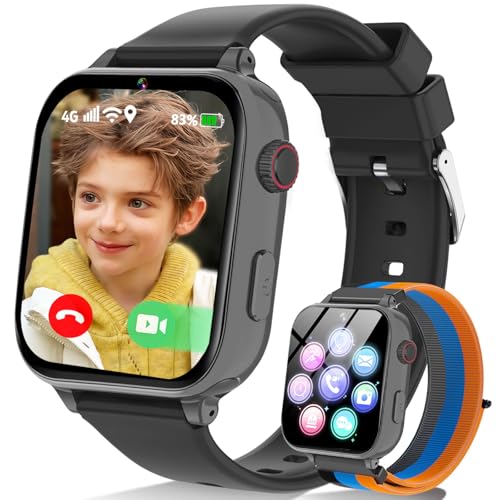
Kinder Smartwatch für Jungen Mädchen, kinderuhr Telefonuhr 4G mit GPS, Telefon, Videoanruf, Voice Chat, SOS, Schulmodus, Wecker, Schrittzähler, Spiele, Smart Uhr Watch für Kids Geschenke 4-12, Schwarz
- Einfache Kopplung per QR-Code: Schnelle Verbindung mit App
- 4G-Telefonie und Videoanruf: Stabile Sprachanrufe und Videochat
- Integrierte SOS-Taste: Schneller Kontakt im Notfall
As an affiliate, we earn on qualifying purchases.
As an affiliate, we earn on qualifying purchases.
Next Steps in Legislative Process
The proposal will now enter a consultation phase, where EU member states, industry stakeholders, and advocacy groups can submit feedback. Following this, the European Parliament and Council will review the draft legislation, potentially making amendments before voting on its adoption. If approved, the legislation could be enacted within the next year, with a phased implementation period to allow platforms to adapt.
In the meantime, discussions about technical enforcement, legal challenges, and public awareness campaigns are expected to intensify, shaping the final form of the legislation and its practical application across the EU.
As an affiliate, we earn on qualifying purchases.
Key Questions
Will children be able to use social media outside the EU?
Yes, children could potentially access platforms outside the EU unless those platforms also adhere to similar restrictions. Enforcement mainly applies within EU jurisdictions.
How will platforms verify children’s ages?
The proposal suggests stricter age verification methods, but the exact technical solutions are still under discussion. Implementation challenges remain a concern.
Could this legislation be challenged legally?
Yes, legal challenges are likely, especially around issues of privacy, enforcement, and jurisdiction. The outcome will depend on how the legislation is drafted and interpreted.
What are the potential benefits of this ban?
Potential benefits include reduced exposure to harmful content, decreased cyberbullying, and improved mental health outcomes for minors.
When might the legislation become law?
If approved after the consultation phase, legislation could be enacted within approximately one year, with enforcement mechanisms developed subsequently.
Source: rss