

Relationship communication tools help couples turn vague advice into clearer listening, safer conflict, and repeatable habits. My best overall pick is The Seven Principles for Making Marriage Work because it combines a well-defined relationship framework with practical exercises for everyday conversations and persistent patterns. Communication Skills for Couples Made Simple is the easier starting point for a short daily routine, while You, Me & AuDHD offers the most relevant fit for partners dealing with autism- and ADHD-linked friction. The main choice is between broad education and guided practice, followed by quick routines versus multiweek work, with card decks favoring emotional openness over step-by-step skill building. Keep reading for the full breakdown of all 12 picks and the buyer types each one serves best.
Key Takeaways
- The Seven Principles for Making Marriage Work earns my best-overall position because it offers the strongest balance of relationship theory, shared language, and practical exercises rather than focusing on one narrow communication problem.
- The 12-week and 8-week workbooks provide more repetition than the shorter programs, but my comparison shows that their value depends heavily on both partners maintaining the schedule.
- Communication Skills for Couples Made Simple is my beginner pick, while the 12-day Couples Communication Workbook offers the best value for buyers who want concentrated practice without a long commitment.
- The Skin Deep Healing Edition serves a different purpose from the books: it is the strongest premium conversation catalyst, but it offers less instruction for managing an argument once difficult feelings surface.
- Nonviolent Communication supplies the most transferable communication framework, while You, Me & AuDHD shows why a narrower tool can be more useful when neurodivergence shapes the couple’s recurring misunderstandings.
| The Seven Principles for Making Marriage Work |  | Best Overall | Format: Paperback book | Author: Leading relationship expert (John Gottman) | Approach: Research-based principles | VIEW LATEST PRICE | See Our Full Breakdown |
| Communication Skills for Couples Made Simple |  | Best for Busy Couples | Format: Workbook | Program Length: 7 steps | Daily Time Required: 10 minutes | VIEW LATEST PRICE | See Our Full Breakdown |
| The Skin Deep Healing Edition – 199 Question Cards |  | Best for Reconnecting | Format: Card deck | Number of Cards: 199 | Edition: Healing | VIEW LATEST PRICE | See Our Full Breakdown |
| The Couples Communication Handbook |  | Best Skills Primer | Format: Book | Approach: Practical communication skills | Primary Focus: Marriage and relationship communication | VIEW LATEST PRICE | See Our Full Breakdown |
| Love More, Fight Less: Communication Skills Every Couple Needs | 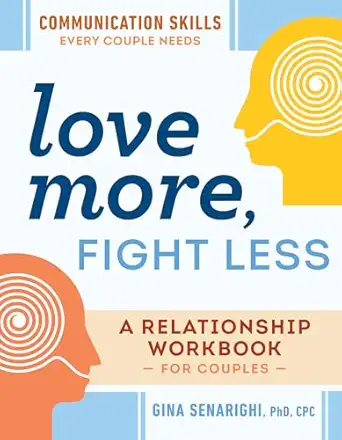 | Best Value Pick | Format: Workbook | Approach: Practical exercises and insights | Primary Focus: Conflict reduction and communication skills | VIEW LATEST PRICE | See Our Full Breakdown |
| 12-Week Relationship Therapy Workbook for Couples | 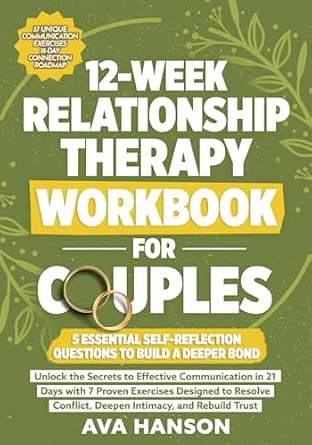 | Best Structured Program for Long-Term Relationship Growth | Duration: 12 weeks | Exercises Included: 7 proven exercises | Focus Areas: Communication, conflict resolution, trust | VIEW LATEST PRICE | See Our Full Breakdown |
| Nonviolent Communication: A Language of Life |  | Best for Cultivating Compassionate, Understanding Relationships | Type: Book | Focus: Empathy, compassionate communication | Application: Personal and professional relationships | VIEW LATEST PRICE | See Our Full Breakdown |
| Couples Communication Workbook: 20 Minutes a Day for 12 Days to Improve Listening, Resolve Conflicts, and Strengthen Your Relationship |  | Best Short-Term, Daily Practice for Practical Improvement | Duration: 12 days | Daily Commitment: 20 minutes | Focus Areas: Listening, conflict resolution, relationship strengthening | VIEW LATEST PRICE | See Our Full Breakdown |
| Communicate Your Feelings (Without Starting a Fight): What to Say and What Not to Say to Your Partner |  | Best for Practical, Conflict-Avoidant Communication Strategies | Type: Book | Focus: Expressing feelings, conflict avoidance | Application: Healthy relationship communication | VIEW LATEST PRICE | See Our Full Breakdown |
| 8-Week Couples Therapy Workbook: Essential Strategies to Connect, Improve Communication, and Strengthen Your Relationship |  | Best for Guided, Medium-Term Relationship Improvement | Duration: 8 weeks | Format: Spiral-bound workbook | Focus Areas: Connection, communication, intimacy | VIEW LATEST PRICE | See Our Full Breakdown |
| The CBT Couples Toolbox: Over 45 Exercises to Improve Communication, Navigate Problems and Build Strong Relationships | 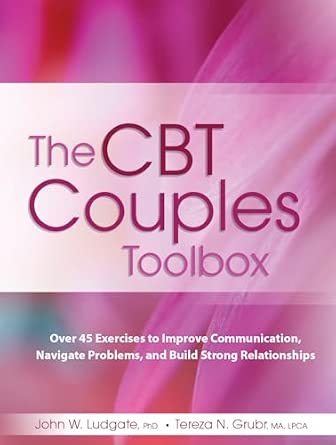 | Best Exercise-Based Approach | Format: Paperback workbook | Number of Exercises: 45+ | Therapeutic Approach: Cognitive Behavioral Therapy (CBT) | VIEW LATEST PRICE | See Our Full Breakdown |
| You, Me & AuDHD: Relationship Tools for Adults with Autism & ADHD |  | Best for Neurodivergent Couples | Format: Book | Target Audience: Adults with autism and ADHD (AuDHD) and their partners | Focus Areas: Communication, understanding, connection | VIEW LATEST PRICE | See Our Full Breakdown |
| relationship communication tool | Format | Target Audience |
|---|---|---|
| The Seven Principles for Makin | Paperback book | — |
| Communication Skills for Coupl | Workbook | — |
| The Skin Deep Healing Edition | Card deck | — |
| The Couples Communication Hand | Book | Couples and married partners |
| Love More | Workbook | Couples seeking stronger connection |
| 12-Week Relationship Therapy W | Workbook | Couples seeking relationship improvement |
| Nonviolent Communication: A La | — | Couples seeking understanding |
| Couples Communication Workbook | Workbook | Couples seeking quick, practical improvement |
| Communicate Your Feelings | — | Couples wanting to prevent fights |
| 8-Week Couples Therapy Workboo | Spiral-bound workbook | Couples seeking guided, short-term improvement |
| The CBT Couples Toolbox: Over | Paperback workbook | — |
| You | Book | Adults with autism and ADHD (AuDHD) and their partners |
More Details on Our Top Picks
The Seven Principles for Making Marriage Work
This pick makes the most sense for couples who want the research-backed foundation behind why relationships succeed or fail, not just quick exercises. Compared with the Communication Skills for Couples Made Simple workbook, this book trades speed for depth: its principles come from decades of clinical observation rather than a 7-step routine. That authority is exactly why it earns the top spot — when a couple is arguing about the why behind their patterns, generic worksheets feel thin next to this level of insight. The tradeoff is real, though. It reads like a book, not a program, so partners who want daily structure and fill-in-the-blank exercises will get more mileage from a workbook format.
Pros:- Grounded in decades of clinical research by a leading relationship expert
- Explains underlying patterns, not just surface-level communication tactics
- Principles apply across marriage stages, from newlyweds to long-term partners
- Widely referenced framework that pairs well with other workbooks later
Cons:- No built-in exercises or daily program, so it demands self-directed effort
- Results appear slowly compared with structured workbooks
Best for: Committed couples who want deep, expert-validated frameworks and are willing to read and discuss together over weeks
Not ideal for: Couples in acute crisis who need immediate, structured exercises — the payoff requires patient reading and application
- Format:Paperback book
- Author:Leading relationship expert (John Gottman)
- Approach:Research-based principles
- Primary Focus:Marriage strengthening and conflict prevention
- Structure:Seven core principles with practical guidance
- Time Commitment:Self-paced reading and discussion
Our verdict“The definitive starting point for couples who want to understand their relationship deeply before working on it.”
Communication Skills for Couples Made Simple
Where The Seven Principles for Making Marriage Work asks for sustained reading, this option bets everything on ten minutes a day. That framing is the whole point: it removes the most common excuse couples have for skipping relationship work. Compared with the Couples Communication Workbook: 20 Minutes a Day for 12 Days, this one halves the daily commitment, which makes it the better fit for partners juggling jobs and kids. The structure — a 7-step program covering trust, conflict resolution, and active listening — is digestible without a therapist’s guidance. The catch is depth: a ten-minute habit builds momentum, but couples with entrenched, long-running conflict will likely need something meatier once the basics click.
Pros:- Ten-minute daily format is easy to sustain long term
- Covers trust, conflict resolution, and active listening in one system
- Clear 7-step progression keeps couples accountable
- Works without a therapist or facilitator
Cons:- Daily consistency required — skipping days undermines the program
- Limited depth for couples with serious or chronic conflict
Best for: Time-strapped couples who want a low-friction daily habit that fits around work and family schedules
Not ideal for: Couples facing deep-rooted conflict patterns — the short daily format can’t fully address serious issues
- Format:Workbook
- Program Length:7 steps
- Daily Time Required:10 minutes
- Primary Focus:Trust, conflict resolution, active listening
- Structure:Practical daily exercises
- Level:Beginner-friendly
Our verdict“The right choice for couples whose biggest obstacle is time, not willingness.”
The Skin Deep Healing Edition – 199 Question Cards
This is the only option in the lineup that replaces reading with face-to-face conversation — and that changes who it serves. Where Love More, Fight Less has you writing answers in a workbook, these 199 cards get partners talking immediately, which lowers the barrier for people who resist homework. The healing focus is what sets it apart from casual conversation decks: questions are built to break down emotional walls after strain, not just pass a date night. That specificity is also its limit. Unlike Communication Skills for Couples Made Simple, there’s no skill-building progression — no steps to teach you how to listen, just prompts that invite it. Both partners need genuine willingness to be vulnerable, or the cards will sit unopened.
Pros:- 199 curated prompts spanning feelings, memories, and shared goals
- Immediate, low-prep format — no reading or workbook required
- Specifically designed for healing strained relationships
- Structured format creates safety for difficult conversations
Cons:- Requires genuine vulnerability from both participants
- No skill instruction — prompts conversation without teaching technique
Best for: Couples or family members rebuilding connection after distance, conflict, or a strained period who prefer talking to reading
Not ideal for: Couples wanting to learn concrete communication techniques — this prompts conversations but doesn’t teach skills
- Format:Card deck
- Number of Cards:199
- Edition:Healing
- Purpose:Relationship healing and effective communication
- Interaction Style:Guided face-to-face conversation
- Preparation Required:None — open and play
Our verdict“A conversation tool for reconnecting, best paired with a skills-based book if patterns need changing too.”
The Couples Communication Handbook
This option stands out for framing itself around a gap most couples never close: the communication skills nobody actually taught us. Compared with The Seven Principles for Making Marriage Work, which explains why marriages fail, this handbook is more tactical — closer to a field manual of techniques you can apply in the next argument. That makes it a solid first book for engaged or newly married couples who haven’t developed bad habits yet but also haven’t built good ones. The tradeoff is credibility of context: unlike the Gottman book, it lacks the research lineage and established track record, and with limited edition and author information available, buyers are trusting the framework sight unseen. For established couples with specific problems, a targeted workbook like Love More, Fight Less offers more structure.
Pros:- Frames communication as learnable skills rather than innate talent
- Easy-to-follow guidance that applies to everyday conversations
- Practical focus on immediate technique over theory
- Accessible entry point for couples new to relationship books
Cons:- Limited author and edition information available to vet the source
- Less structure than step-based workbooks for couples wanting a program
Best for: Newly engaged or newly married couples who want a practical skills foundation before problems take root
Not ideal for: Buyers who want established credentials and a proven track record before investing time in a framework
- Format:Book
- Approach:Practical communication skills
- Primary Focus:Marriage and relationship communication
- Structure:Skill-based guidance chapters
- Target Audience:Couples and married partners
- Level:Beginner to intermediate
Our verdict“A practical skills primer best suited to couples starting fresh rather than repairing damage.”
Love More, Fight Less: Communication Skills Every Couple Needs
This workbook occupies the practical middle ground of the roundup: more exercise-driven than a book, more affordable and accessible than a therapy-style program like the 12-Week Relationship Therapy Workbook. Its promise is direct — reduce conflict by practicing specific communication skills through written exercises rather than just reading about them. Compared with Communication Skills for Couples Made Simple, it trades the ten-minute-daily hook for a broader set of tools, which suits couples who want flexibility over rigid scheduling. The honest limitation: it’s exercise-forward with fewer supplementary resources, so partners who want deeper explanations of why techniques work may find it thin on theory. Pair it with The Seven Principles for Making Marriage Work and the combination covers both why and how.
Pros:- Hands-on exercises produce practice, not just passive reading
- Directly targets conflict reduction as the primary outcome
- Flexible format without a rigid daily or weekly schedule
- Accessible price point relative to longer therapy-style workbooks
Cons:- Content leans heavily on exercises with limited supporting theory
- May feel repetitive for couples who’ve already done similar workbooks
Best for: Budget-conscious couples who want hands-on exercises to reduce recurring conflict without a long-term program commitment
Not ideal for: Couples who want theoretical grounding alongside exercises — this leans heavily on doing rather than explaining
- Format:Workbook
- Approach:Practical exercises and insights
- Primary Focus:Conflict reduction and communication skills
- Structure:Exercise-based chapters
- Target Audience:Couples seeking stronger connection
- Time Commitment:Flexible, self-paced
Our verdict“A budget-friendly, exercise-first workbook for couples ready to practice their way out of recurring fights.”
12-Week Relationship Therapy Workbook for Couples
This workbook stands out for offering a comprehensive, step-by-step approach to improving communication, resolving conflicts, and rebuilding trust over a sustained 12-week period. Compared with the shorter, more focused Couples Communication Workbook: 20 Minutes a Day for 12 Days, it provides a deeper, more immersive experience, but this also means it requires a greater time commitment. Its structured exercises are ideal for couples willing to dedicate time regularly, making it suited for those seeking serious, long-term relationship work. The main tradeoff is that the lack of user reviews or detailed descriptions may leave some unsure about how engaging or practical each activity is. If you’re committed to a gradual, thorough process, this workbook makes the most sense.
- Provides structured exercises to improve communication
- Helps resolve conflicts and rebuild trust
- Designed for couples seeking relationship improvement
- No detailed description or user reviews available
- May require commitment over 12 weeks
Verdict: Best suited for couples ready to invest in a sustained, guided relationship growth journey.
Pros:- Provides structured exercises to improve communication
- Helps resolve conflicts and rebuild trust
- Designed for couples seeking relationship improvement
Cons:- No detailed description or user reviews available
- May require commitment over 12 weeks
Best for: Couples committed to long-term relationship development and structured exercises
Not ideal for: Those seeking quick fixes or unwilling to commit to a multi-week program
- Duration:12 weeks
- Exercises Included:7 proven exercises
- Focus Areas:Communication, conflict resolution, trust
- Format:Workbook
- Target Audience:Couples seeking relationship improvement
Our verdict“This workbook suits couples prepared for a thorough, disciplined approach to strengthening their relationship over time.”
Nonviolent Communication: A Language of Life
This book excels at providing practical tools for fostering empathy and reducing misunderstandings, making it ideal for couples who want to communicate more mindfully. Unlike the Couples Communication Workbook, which emphasizes daily exercises, this book offers foundational principles that can be integrated into everyday conversations. Its focus on compassionate language helps prevent conflicts from escalating, though it may require practice to master its techniques. It’s best suited for couples willing to invest time in learning new communication patterns, especially those interested in enhancing empathy and understanding. The main tradeoff is that it lacks concrete exercises or step-by-step activities, which might be less appealing to couples looking for structured routines. If your goal is to develop a more compassionate dialogue, this book is a fitting choice.
- Provides practical communication tools
- Enhances understanding in relationships
- Suitable for personal and professional growth
- No detailed specifications provided
- May require practice to master techniques
Verdict: Ideal for couples seeking to deepen empathy and foster respectful, heartfelt conversations.
Pros:- Provides practical communication tools
- Enhances understanding in relationships
- Suitable for personal and professional growth
Cons:- No detailed specifications provided
- May require practice to master techniques
Best for: Couples interested in developing compassionate, mindful communication skills
Not ideal for: Those seeking quick, actionable exercises without focusing on underlying attitudes
- Type:Book
- Focus:Empathy, compassionate communication
- Application:Personal and professional relationships
- Practice Required:Yes
- Target Audience:Couples seeking understanding
Our verdict“This book is best for couples looking to build a foundation of compassionate, respectful dialogue.”
Couples Communication Workbook: 20 Minutes a Day for 12 Days to Improve Listening, Resolve Conflicts, and Strengthen Your Relationship
This workbook makes the most sense for couples who prefer quick, daily routines to enhance their communication skills. Its 12-day, 20-minute daily exercises are designed to be manageable and straightforward, especially compared to the longer 12-week 12-Week Relationship Therapy Workbook. While the limited content details and absence of user ratings might cause hesitation, its focused approach can yield noticeable improvements in listening and conflict resolution in just a short period. If you want a structured, no-fuss daily practice to boost connection without a long-term commitment, it’s an excellent choice. However, couples seeking comprehensive or in-depth therapy might find it too limited.
- Provides a structured, easy-to-follow program for couples
- Focuses on improving communication and conflict resolution
- Short daily exercises make it manageable
- No price information available
- No customer ratings provided
- Content details are limited
Verdict: Best for couples who want quick, daily exercises to see immediate communication gains.
Pros:- Provides a structured, easy-to-follow program for couples
- Focuses on improving communication and conflict resolution
- Short daily exercises make it manageable
Cons:- No price information available
- No customer ratings provided
- Content details are limited
Best for: Couples seeking a manageable, short-term daily improvement plan
Not ideal for: Those looking for long-term or in-depth relationship therapy
- Duration:12 days
- Daily Commitment:20 minutes
- Focus Areas:Listening, conflict resolution, relationship strengthening
- Format:Workbook
- Target Audience:Couples seeking quick, practical improvement
Our verdict“This workbook suits couples who prefer short, daily routines for quick communication enhancements.”
Communicate Your Feelings (Without Starting a Fight): What to Say and What Not to Say to Your Partner
This book offers straightforward advice on expressing feelings without causing conflict, making it suitable for couples who want clear guidance on healthy dialogue. Unlike the more comprehensive workbooks, it focuses specifically on language and phrasing, which can be very effective for avoiding misunderstandings. However, its lack of detailed examples and absence of author information might leave some readers wanting more depth or context. It’s best for couples who need quick, practical tips rather than in-depth exercises or structured programs. If your main concern is avoiding fights while sharing your feelings, this book provides targeted strategies. The tradeoff is less emphasis on active listening or broader communication skills.
- Provides practical communication strategies
- Helps improve relationship harmony
- Suitable for couples seeking better understanding
- Lacks detailed examples
- No information on author or edition
- No customer reviews available
Verdict: Ideal for couples wanting immediate, practical tips to express feelings without conflict escalation.
Pros:- Provides practical communication strategies
- Helps improve relationship harmony
- Suitable for couples seeking better understanding
Cons:- Lacks detailed examples
- No information on author or edition
- No customer reviews available
Best for: Couples looking for quick, conflict-avoidant communication advice
Not ideal for: Those seeking comprehensive communication training or detailed examples
- Type:Book
- Focus:Expressing feelings, conflict avoidance
- Application:Healthy relationship communication
- Content Depth:Practical tips, no detailed examples
- Target Audience:Couples wanting to prevent fights
Our verdict“This book is best for couples needing straightforward, conflict-avoidant communication advice to express feelings safely.”
8-Week Couples Therapy Workbook: Essential Strategies to Connect, Improve Communication, and Strengthen Your Relationship
This spiral-bound workbook offers a structured, 8-week program aimed at helping couples enhance their communication and connection through practical exercises. Compared to the more extensive 12-Week Relationship Therapy Workbook, it provides a shorter, more manageable timeline that may appeal to couples seeking steady progress without a lengthy commitment. Its format facilitates ease of use, but the lack of detailed content or reviews might leave some uncertain about the depth of its activities. It’s best suited for couples willing to actively participate and follow a guided plan to see noticeable improvements in communication and intimacy. The main tradeoff is that it may not cover as many issues in depth as longer programs. If you prefer a clear, structured, and relatively quick course, this workbook fits well.
- Provides structured exercises for relationship improvement
- Easy-to-follow 8-week program
- Spiral-bound for convenience
- No detailed content or reviews provided
- Requires active participation from both partners
Verdict: Ideal for couples seeking a guided, practical program to enhance connection in a manageable timeframe.
Pros:- Provides structured exercises for relationship improvement
- Easy-to-follow 8-week program
- Spiral-bound format for convenience
Cons:- No detailed content or reviews provided
- Requires active participation from both partners
Best for: Couples committed to active participation over eight weeks aiming for meaningful change
Not ideal for: Couples looking for in-depth or long-term therapy options
- Duration:8 weeks
- Format:Spiral-bound workbook
- Focus Areas:Connection, communication, intimacy
- Content:Practical exercises
- Target Audience:Couples seeking guided, short-term improvement
Our verdict“This workbook suits couples seeking a clear, moderate-term plan to strengthen their relationship through guided activities.”
The CBT Couples Toolbox: Over 45 Exercises to Improve Communication, Navigate Problems and Build Strong Relationships
Couples who want structured, repeatable exercises rather than theory will find this the most workout-oriented book in the lineup. With over 45 cognitive-behavioral therapy exercises, it functions more like a training manual than a read — closer in spirit to the Couples Communication Workbook than to The Seven Principles for Making Marriage Work, which leans on research narrative. Where Love More, Fight Less teaches skills through explanation, this option asks partners to practice rewriting thought patterns together, which is why it earns its spot: it targets the mental habits underneath recurring arguments. The tradeoff is real, though — CBT exercises demand commitment and consistency, so casual readers who want a lighter touch should look elsewhere. It is also harder to skim than card-based options like The Skin Deep deck, which requires zero homework.
Pros:- Over 45 discrete exercises gives couples a long runway of material
- CBT framework addresses root thought patterns, not just surface arguments
- Works well as a repeatable practice rather than a one-time read
- Practical format suits couples who dislike dense theory
Cons:- Demands real time and consistency to see results
- Less accessible than question-card formats for couples new to communication work
Best for: Couples stuck in repeating argument cycles who are willing to do structured weekly exercises together
Not ideal for: Couples wanting a quick or passive read — this book only pays off with consistent, hands-on practice
- Format:Paperback workbook
- Number of Exercises:45+
- Therapeutic Approach:Cognitive Behavioral Therapy (CBT)
- Focus Areas:Communication, problem-solving, relationship strength
- Best Use Style:Structured, repeatable couples practice
- Audience:Couples seeking active exercises
Our verdict“A strong pick for couples ready to put in exercise-based work to break entrenched conflict patterns.”
You, Me & AuDHD: Relationship Tools for Adults with Autism & ADHD
Most communication books in this roundup — from Nonviolent Communication to the Communication Skills for Couples Made Simple workbook — assume a neurotypical baseline that simply does not fit every relationship. This book fills that gap with strategies built specifically for adults with autism and ADHD, covering how AuDHD traits like executive dysfunction, emotional intensity, and communication style differences shape conflict. Compared with mainstream picks, its tailored framing is the whole point: advice about eye contact, tone, or timed check-ins gets adapted rather than prescribed. The tradeoff is scope — it stays focused on the relationship layer and will not serve as a general guide to AuDHD itself, and unlike The Seven Principles for Making Marriage Work, it lacks decades of research backing. Still, for the right couple, specific beats comprehensive.
Pros:- Rare, targeted guidance for AuDHD-affected relationships
- Adapted communication strategies instead of one-size-fits-all advice
- Practical tools aimed at understanding and connection, not just conflict
- Written for adults rather than parents of neurodivergent kids
Cons:- Narrow scope — does not cover AuDHD management beyond the relationship
- Less established than mainstream titles with long track records and large reader bases
Best for: Couples where one or both partners have autism, ADHD, or AuDHD and generic communication advice keeps falling flat
Not ideal for: Neurotypical couples or readers wanting a broad, research-heavy relationship guide — the specialized focus narrows its usefulness
- Format:Book
- Target Audience:Adults with autism and ADHD (AuDHD) and their partners
- Focus Areas:Communication, understanding, connection
- Approach:Neurodivergence-specific relationship strategies
- Specialization:AuDHD-tailored rather than general couples advice
- Content Type:Practical relationship tools
Our verdict“The clear choice for neurodivergent couples, and an easy skip for everyone else.”

How We Picked
I compared each option on clarity of its communication method, quality of guided practice, and the likelihood that two partners can use it without turning an exercise into another argument. I also weighed accessibility, time burden, emotional intensity, adaptability across relationship stages, author expertise, and value relative to usable material. Higher ranks went to tools that explain why a pattern happens and give partners concrete language or exercises for changing it. I treated attractive packaging, page count, and large exercise totals as secondary unless they supported actual follow-through. Because the lineup mixes books, workbooks, and cards, I judged each format by the job it claims to do rather than by feature count alone.
My ranking favors broad usefulness paired with repeatable practice near the top, followed by narrower or more demanding options whose appeal depends on a particular buyer. The Seven Principles for Making Marriage Work leads because it balances education and application, while shorter workbooks gain ground through accessibility and lower time demands. Specialist picks, particularly You, Me & AuDHD, can still be the smarter purchase for a matching couple even when a general guide ranks higher overall. I marked down tools that rely heavily on partner enthusiasm, promise rapid change, or provide prompts without enough guidance for repairing conflict. This is an editorial fit comparison, not a claim that any self-guided resource can address abuse, coercion, acute mental-health risk, or every high-conflict situation.
| relationship communication tool | Format |
|---|---|
| The Seven Principles for Makin | Paperback book |
| Communication Skills for Coupl | Workbook |
| The Skin Deep Healing Edition | Card deck |
| The Couples Communication Hand | Book |
| Love More | Workbook |
| 12-Week Relationship Therapy W | Workbook |
| Nonviolent Communication: A La | — |
| Couples Communication Workbook | Workbook |
| Communicate Your Feelings | — |
| 8-Week Couples Therapy Workboo | Spiral-bound workbook |
| The CBT Couples Toolbox: Over | Paperback workbook |
| You | Book |
Factors to Consider When Choosing Relationship Communication Tools
I would start with the behavior a couple wants to change, not the format that looks most appealing. A tool for interrupting arguments does a different job from one built for emotional disclosure or long-term relationship education. The best match also depends on whether both partners will participate, how much time they can protect, and how tense conversations already feel. The sections below show how I separate a promising purchase from a resource likely to remain unused.
Choose the Practice Format, Not Just the Topic
I divide these tools into books, workbooks, and conversation cards, since each asks something different from a couple. A traditional book is best for building a shared model of why communication breaks down, but insight can remain abstract without scheduled practice. Workbooks convert ideas into written prompts, scripts, and repeated exercises, making them better for couples who want a defined routine. Card decks reduce the feeling of doing homework and can help quieter partners disclose more, yet a revealing question is not the same as a conflict-management method. A common buying mistake is choosing an attractive prompt deck when the actual need is help with interruption, defensiveness, or repair. If one partner resists long reading sessions, I would favor a short workbook or guided deck; if the same arguments keep returning, I would choose a structured book-workbook system.
Match the Depth to the Level of Strain
Light connection tools suit couples who communicate reasonably well but want richer conversations or a regular check-in ritual. Multiweek programs make more sense when habits such as withdrawal, criticism, or missed bids for attention have become repetitive. I would not mistake program length for therapeutic strength, since twelve weeks of weak prompts may offer less help than a concise method with clear practice rules. One common error is buying a gentle intimacy tool for an entrenched conflict pattern, then blaming the couple when the prompts fail to contain the discussion. I would use low-intensity questions for connection and a more structured resource for repair, listening, and behavior change. When conversations involve fear, coercion, threats, or uncontrolled escalation, professional support is the safer starting point than any self-guided product.
Calculate the Real Time Commitment
A promise of 10 or 20 minutes a day sounds manageable, but daily coordination may be harder than one longer weekly session. Twelve-day programs create momentum and a visible finish line, while eight- and twelve-week formats allow more time for new responses to become familiar. I would compare the total number of shared sessions, writing requirements, and between-session practice rather than relying on the advertised daily duration. Couples with irregular schedules may do better with modular exercises that do not punish a missed day. Another mistake is choosing the most ambitious plan during a moment of frustration, only to abandon it when normal routines resume. My preference is the shortest schedule that still matches the problem’s depth, since completion carries more value than unused content.
Look for Safe Conflict Mechanics
A useful conflict tool should offer more than emotional questions; I look for turn-taking rules, pause options, precise language, and repair steps. Without that structure, an exercise can become a courtroom in which each partner collects proof against the other. Frameworks that separate observation, feeling, need, and request can reduce blame, but only when neither partner uses the formula mechanically. A book that names unhealthy patterns without supplying replacement behaviors may educate a couple without changing the next argument. I would also avoid practicing a new method at the peak of an active dispute, when both partners have less capacity to follow unfamiliar instructions. The stronger resources support calm rehearsal before conflict, a clear stopping point during escalation, and reflection after both people have settled.
Pay More Only When the Format Adds Use
A premium physical deck can earn its price when tactile prompts create a shared ritual that both partners will actually maintain. It offers poor value when it becomes decorative packaging for questions the couple could generate on its own. More pages and larger exercise counts also do not guarantee a better result; repetition is useful only when each activity develops a clear skill. I would compare cost per likely completed exercise, not cost per card or page. Specialist relevance can justify a higher price because language tailored to neurodivergence or a defined relationship pattern may prevent repeated misinterpretation. I would pay more for an exact fit, durable usability, or stronger facilitation, while skipping premium presentation when the content duplicates a basic workbook.
Frequently Asked Questions
Should I Choose a Book, Workbook, or Conversation Card Deck?
I would choose a book for shared understanding, a workbook for scheduled behavior practice, and a card deck for easier emotional disclosure. The Seven Principles for Making Marriage Work offers a wider relationship framework than The Skin Deep Healing Edition, while the deck makes starting a personal conversation feel less academic. A workbook is the better middle ground when a couple wants instructions and a visible endpoint. Cards are less suitable when arguments need firm pause rules or scripted repair. The right format is the one that matches both the communication problem and the couple’s participation style.
Is a 10- or 20-Minute Daily Program Long Enough to Make a Difference?
A short routine can help when the goal is building consistency around one or two skills, such as listening without interrupting or stating a request clearly. It is less likely to reshape years of criticism, avoidance, or unresolved resentment on its own. Communication Skills for Couples Made Simple and the 12-day Couples Communication Workbook reduce the entry barrier, while longer programs create more room for repetition and reflection. I would judge success by whether the new language appears outside the exercise, not by whether every page gets completed. If a short course starts productive habits but exposes broader problems, it can serve as a first stage rather than a complete remedy.
Do Both Partners Need Their Own Copy?
Most couples can begin with one shared book or card deck, especially when the material is discussed aloud. Workbooks may benefit from separate copies when both partners need private writing space before comparing answers. For frameworks such as The Seven Principles or Nonviolent Communication, a shared vocabulary matters more than duplicate ownership. I would avoid writing personal answers in a shared copy if that makes either person edit themselves or anticipate criticism. Two copies are worth the added cost when they support honest reflection and equal participation, not merely convenience.
Can a Relationship Communication Tool Replace Couples Therapy?
I see self-guided tools as education and structured practice, not a direct replacement for a skilled therapist. They can work well when both partners feel safe, accept some responsibility, and can pause an exercise without punishment. A therapist adds live pattern recognition, mediation, and adaptation when a written method stalls or becomes weaponized. I would seek professional help when there is fear, coercion, violence, repeated betrayal, severe escalation, or acute mental-health risk. In lower-risk situations, a workbook can make therapy sessions more focused by giving the couple shared language and between-session practice.
Should Neurodivergent Couples Start With a Specialist Tool or a General Communication Guide?
I would start with You, Me & AuDHD when autism, ADHD, sensory differences, time perception, or executive function regularly shape the conflict. A general guide may label missed cues or forgotten tasks as indifference when the underlying mechanism is different. The specialist resource can help both partners describe those differences without removing accountability for their impact. Nonviolent Communication or The Seven Principles can then add a broader method for requests, repair, and long-term connection. This pairing gives a couple specific interpretation first and general communication structure next.
Conclusion
For most buyers, I would choose The Seven Principles for Making Marriage Work as the best overall tool because it balances broad relationship education with exercises a couple can revisit. My best-value pick is Couples Communication Workbook: 20 Minutes a Day for 12 Days, which offers a concentrated path for buyers who prefer a clear finish line. Communication Skills for Couples Made Simple is the better beginner choice for a low-pressure daily routine. For buyers who prefer a premium physical experience centered on emotional disclosure, The Skin Deep Healing Edition is the stronger fit, provided they do not need a full conflict curriculum.
I would choose 12-Week Relationship Therapy Workbook for Couples for sustained guided work and Nonviolent Communication for a language framework that also applies outside romantic relationships. Neurodivergent couples should place You, Me & AuDHD ahead of more general books when autism- and ADHD-related differences sit at the center of recurring friction. Buyers who mainly need phrases for raising difficult feelings can favor Communicate Your Feelings (Without Starting a Fight), while exercise-focused couples may prefer The CBT Couples Toolbox. If the need is still unclear, I would start with the broad best-overall pick; if the barrier is already identifiable, the matching specialist tool is the smarter purchase.